Autism
Definition
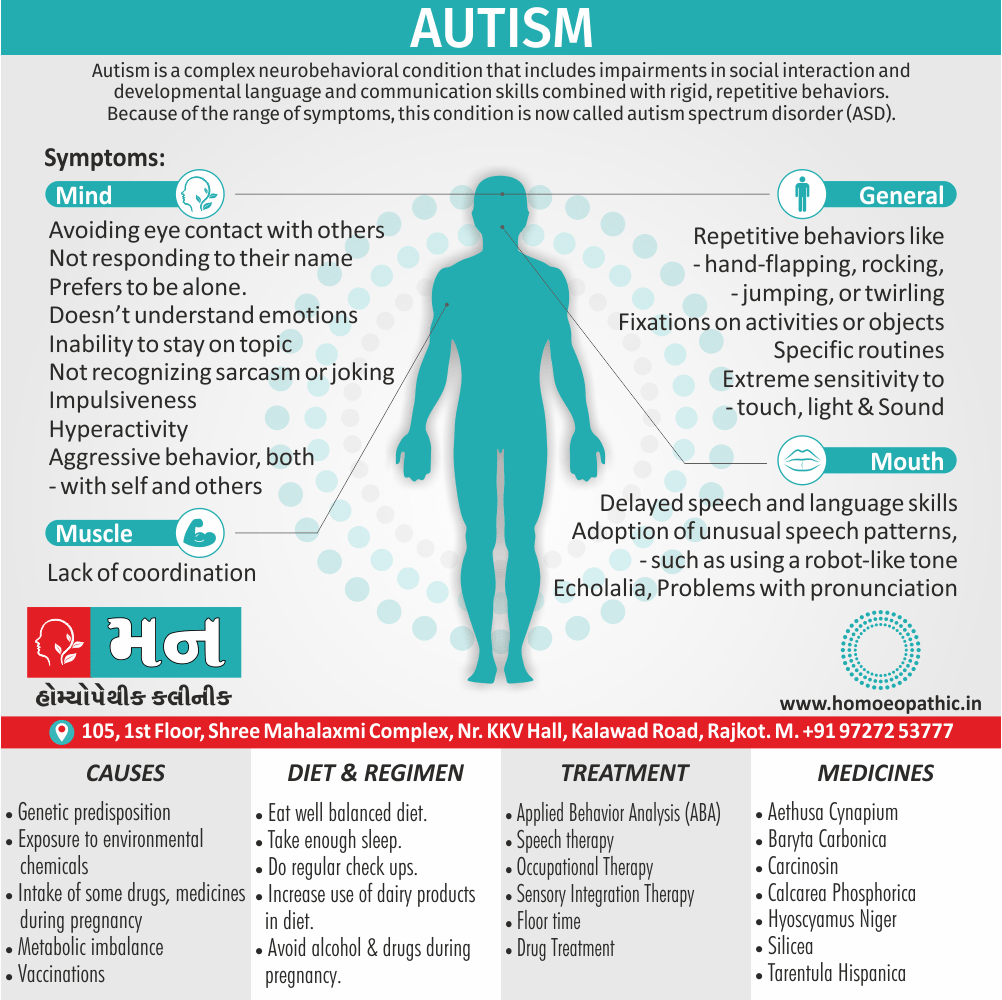
Autism is a complex neurobehavioral condition that includes impairments in social interaction and developmental language and communication skills combined with rigid, repetitive behaviors. Because of the range of symptoms, this condition is now called autism spectrum disorder (ASD). [1]
Here are some synonyms for Autism:
Formal Contexts:
- Autism Spectrum Disorder (ASD) – This is the most accurate and clinically accepted term.
- Autistic Disorder (AD) – This term is still used in some contexts, but ASD is preferred.
- Pervasive Developmental Disorder (PDD) – This was an umbrella term used in the past, but ASD is now the standard diagnosis.
Informal Contexts:
- On the spectrum (informal way to refer to someone with ASD)
- Neurodiverse (refers to anyone with a neurological difference, including ASD)
Important Notes:
- Avoid using outdated or offensive terms like “autistic savant” or “Asperger’s Syndrome” (replaced by ASD).
- Person-first language is preferred: “a person with autism” instead of “autistic.”
- The best term depends on the context and audience. In a medical setting, use ASD. In casual conversation, “on the spectrum” might be appropriate.
Additional Considerations:
- Some people within the autistic community prefer identity-first language, such as ” autistic person.” It’s always best to respect individual preferences.
Overview
Epidemiology
Causes
Types
Risk Factors
Pathogenesis
Pathophysiology
Clinical Features
Sign & Symptoms
Clinical Examination
Diagnosis
Differential Diagnosis
Complications
Investigations
Treatment
Prevention
Homeopathic Treatment
Diet & Regimen
Do’s & Don’ts
Terminology
References
Also Search As
Overview
Overview of Autism
Doctors typically diagnose autism spectrum disorder (ASD) in childhood when symptoms can occur before 3 years of age, according to the American Autism Association.
According to the Centers for Disease Control, autism affects an estimated 1 in 59 children in the United States today. [2]
The word “autism” comes from the Greek word “autos,” which means “self.” It describes conditions in which a person is removed from social interaction. In other words, he becomes an “isolated self.”
Symptom covered in ASD:
It covers a large spectrum of symptoms, skills, and levels of impairment. ASD ranges in severity from a disability that somewhat limits an otherwise normal life to a devastating disability that may require institutional care. [1]
While different types of ASD occur, common experiences among people with the condition include impairment in social situations and the adoption of repetitive behaviors.
Some children with autism might seem to show symptoms from birth, while others may develop more obvious signs as they become older.
Autism also has links to other medical conditions, such as epilepsy and tuberous sclerosis complex.
According to the National Institute of Neurological Disorders and Stroke (NINDS), an estimated 20 to 30 percent of people with ASD develop epilepsy by the time they reach childhood. [2]
Epidemiology
Epidemiology
INCLEN Study (2016): This study across five states in North and West India found a prevalence of ASD as high as 1 in 125 children between 2-6 years and 1 in 80 among children aged 6-9 years. The overall prevalence in India was estimated to be 1 in 89.[8]
Indian Journal of Pediatrics (2021): This study estimated the prevalence of ASD in India to be around 1 in 68 children, with boys being more commonly affected than girls (3:1).[9]
The Economic Times (2023): This report states that about 18 million people in India are diagnosed with autism, with approximately 1 to 1.5% of children aged 2-9 years being diagnosed with ASD.[10]
PubMed Central (PMC) – National Institutes of Health (NIH) (2016): This study found that the overall prevalence of ASD in India was estimated at 24.9/10,000 children.[11]
Indian Journal of Psychiatry (2014): This study in Chandigarh found the prevalence of ASD to be 26.7/10,000 children.[12]
Causes
Causes
The causes of autism are currently not known, but significant numbers of studies are underway with a view to learning how it develops.
Genetic Factors:
Researchers have identified several genes that appear to have connections to ASD. Occasionally, these genes arise by spontaneously mutate. In other cases, people may inherit them.
In studies of twins, autism often has a strong correlation between twins. e.g., if one twin has autism, the other is likely to have autism an estimated 36 to 95 percent of the time, according to the NINDS.
Vaccination:
Another common misconception surrounding autism is that receiving vaccines, such as those for measles, mumps, and rubella (MMR), can contribute to autism.
However, the CDC report that there is no known connection between vaccines and autism.
In detail, A 2013 study confirmed that the number of antigens, or substances that trigger the production of disease-fighting antibodies are the same in children who do and do not have ASD.
Some people claim that thimerosal, a preservative that contains mercury and is in specific vaccines, has links to autism. However, at least nine different studies since 2003 have provided evidence that counters this claim.
The Lancet journal published the initial paper that triggered the controversy around vaccines and autism and retracted it 12 years later after evidence of data tampering, and research fraud became clear.
Others:
In brief, Those with autism may also undergo changes in key areas of their brains that impact their speech and behavior.
Environmental factors might also play a role in the development of ASD, although doctors have not yet confirmed a link.
However, researchers do know that some rumored causes, such as parenting practices, do not cause autism. [2]
Types
Types of Autism
- Asperger’s syndrome. These children don’t have a problem with language; in fact, they tend to score in the average or above-average range on intelligence tests. But they have social problems and a narrow scope of interests.
- Autistic disorder. This is what most people think of when they hear the word “autism.” It refers to problems with social interactions, communication, and play in children younger than 3 years.
- Childhood disintegrative disorder. These children have typical development for at least 2 years and then lose some or most of their communication and social skills.
- Pervasive developmental disorder (PDD or atypical autism). Your doctor might use this term if your child has some autistic behavior, like delays in social and communications skills, but doesn’t fit into another category.[5]
Risk Factors
Risk Factors
- Having a sibling with ASD
- Having certain genetic or chromosomal conditions, such as fragile X syndrome or tuberous sclerosis
- Experiencing complications at birth
- Being born to older parents[4]
Pathogenesis
Pathogenesis
- “The pathogenesis of ASD is multifactorial and includes genetic and environmental components… Genetic factors are the most important, with heritability estimated to be as high as 90%. However, no single gene has been identified as the cause of ASD, and it is likely that multiple genes interacting with environmental factors are responsible.”[13]
- The Pathogenesis of Autism spectrum disorder is a neurodevelopmental disorder with a strong genetic basis. The disorder appears to result from a combination of genetic susceptibility and environmental influences that affect prenatal and/or early postnatal brain development.”[14]
Key Points (Synthesized from References):
- Genetic Predisposition: Strong genetic component, with multiple genes likely interacting to increase susceptibility.
- Environmental Factors: Prenatal and early postnatal environmental influences can interact with genetic factors to trigger ASD development.
- Neurodevelopmental Disorder: ASD affects brain development, particularly in areas related to social interaction, communication, and repetitive behaviors.
- No Single Cause: The exact cause is unknown, and it is likely a complex interplay of genetic, epigenetic, and environmental factors.
Additional Considerations:
- Brain Structure and Function: Research suggests differences in brain structure, connectivity, and neurotransmitter function in individuals with ASD.
- Immune System Dysregulation: Some studies suggest a possible link between immune system dysfunction and ASD.
- Gastrointestinal Issues: A subset of individuals with ASD may experience gastrointestinal problems, potentially linked to altered gut microbiome.
Pathophysiology
Pathophysiology
Various theories where proposed in order to explain the pathophysiology underlying ASD.
Despite the fact that none of them is able to completely explain the impairments in the nervous system of ASD patients, these hypotheses were instrumental in highlighting the most important mechanisms in the development of this complex disorder.
Some new theories are based on neovascularization studies, others on the data from genomic studies, which become increasingly available worldwide.
As the research in this field is largely dependent on the animal models, there is an ongoing discussion and search for the most appropriate one adequately reproducing the pathology.
Here we provide an overview of current theories of the origin and development of ASD discussed in the context of existing and proposed rodent models of ASD.[6]
Clinical Features
Clinical Features
The clinical features of autism spectrum disorder (ASD) can vary significantly from person to person, but some common characteristics are outlined in the following reference:
“The essential features of autism spectrum disorder are:
Persistent deficits in social communication and social interaction across multiple contexts, as manifested by the following, currently or by history (examples are illustrative, not exhaustive):
- Deficits in social-emotional reciprocity, ranging, for example, from abnormal social approach and failure of normal back-and-forth conversation; to reduced sharing of interests, emotions, or affect; to failure to initiate or respond to social interactions.
- Deficits in nonverbal communicative behaviors used for social interaction, ranging, for example, from poorly integrated verbal and nonverbal communication; to abnormalities in eye contact and body language or deficits in understanding and use of gestures; to a total lack of facial expressions and nonverbal communication.
- Deficits in developing, maintaining, and understanding relationships, ranging, for example, from difficulties adjusting behavior to suit various social contexts; to difficulties in sharing imaginative play or in making friends; to absence of interest in peers.
Restricted, repetitive patterns of behavior, interests, or activities, as manifested by at least two of the following, currently or by history (examples are illustrative, not exhaustive):
- Stereotyped or repetitive motor movements, use of objects, or speech (e.g., simple motor stereotypies, lining up toys or flipping objects, echolalia, idiosyncratic phrases).
- Insistence on sameness, inflexible adherence to routines, or ritualized patterns of verbal or nonverbal behavior (e.g., extreme distress at small changes, difficulties with transitions, rigid thinking patterns, greeting rituals, need to take same route or eat same food every day).
- Highly restricted, fixated interests that are abnormal in intensity or focus (e.g, strong attachment to or preoccupation with unusual objects, excessively circumscribed or perseverative interests).
- Hyper- or hyporeactivity to sensory input or unusual interest in sensory aspects of the environment (e.g., apparent indifference to pain/temperature, adverse response to specific sounds or textures, excessive smelling or touching of objects, visual fascination with lights or movement).”[15]
Sign & Symptoms
Sign & Symptoms
The common thread is differences in social skills, communication, and behavior compared with people who aren’t on the spectrum.
Social Skills:
- Adoption of unusual speech patterns, such as using a robot-like tone
- Avoiding eye contact with others
- Not responding to their name
- Prefers to be alone.
- Doesn’t understand emotions – his own or others’
- Apparent difficulty in understanding feelings also expressing their own
Communication:
About 40% of kids with autism spectrum disorders don’t talk at all, and between 25% and 30% develop some language skills during infancy but then lose them later. Some children with ASD start talking later in life.
Most have some problems with communication, i.e.:
- Delayed speech and language skills
- Having difficulty with maintaining conversation
- Flat, either robotic speaking voice, or singsong voice
- Echolalia (repeating the same phrase over and over)
- Problems with pronouns (saying “you” instead of “I,” for example)
- Not using or rarely using common gestures (in other words, pointing or waving), and not responding to them
- Inability to stay on topic when talking or answering questions
- Not recognizing sarcasm or joking
Patterns of Behavior:
Children with ASD also act in ways that seem unusual or have interests that aren’t typical.
For Instance:
- Repetitive behaviors such as hand-flapping, rocking, jumping, or twirling
- Constant moving (in other words pacing) and “hyper” behavior
- Fixations on certain activities or objects
- Specific routines or rituals (and getting upset when a routine is changed, even slightly)
- Extreme sensitivity to touch, light, and sound
- Fussy eating habits
- Lack of coordination, clumsiness
- Impulsiveness (in other words, acting without thinking)
- Aggressive behavior, both with self and others
- Short attention span [1]
Clinical Examination
Clinical Examination
Key Points : Relevant to Clinical Examination:
Developmental History: Obtaining a detailed developmental history from parents or caregivers is crucial. This includes information on early language development, social milestones, and any unusual behaviors or interests.
Observation of Social Interaction: Clinicians will carefully observe the individual’s social interaction skills, including eye contact, facial expressions, body language, and ability to initiate and respond to social interactions.
Assessment of Communication: Evaluating the individual’s verbal and nonverbal communication abilities, including speech patterns, language comprehension, and the use of gestures and facial expressions.
Evaluation of Restricted/Repetitive Behaviors: Assessing the presence of repetitive behaviors, interests, or activities, such as stereotyped movements, adherence to routines, or fixated interests.
Sensory Sensitivities: Inquiring about and observing any unusual responses to sensory stimuli, such as hypersensitivity to sounds or textures or an apparent indifference to pain.
Cognitive Assessment: Depending on the individual’s age and developmental level, a cognitive assessment may be conducted to assess intellectual abilities and any associated cognitive deficits.
Additional Assessments: In some cases, additional assessments may be necessary, such as genetic testing, neurological exams, or speech and language evaluations.[15]
Diagnosis
Diagnosis
Milestones
- Did your baby smile by 6 months?
- Did he mimic sounds and facial expressions by 9 months?
- Was he babbling and cooing by 12 months?
Also, Physician will ask about these things:
- Are any of his behaviors unusual or repetitive?
- Does he have trouble making eye contact?
- Does he interact with people and share experiences?
- Is his tone of voice “flat”?
- Does he understand other people’s actions?
- Is he sensitive to light, noise, or temperature?
- Any problems with sleep or digestion?
- Does he tend to get annoyed or angry?
Your responses are very important in your child’s screening. If everything checks out and you have no concerns, that’s the end of it. [1]
Differential Diagnosis
Differential Diagnosis
- Learning Disability/Intellectual Disability (LD/ID)
- ADHD
- Social Communication Disorder (SCD)
- Gifted and Talented
- Anxiety
- Language Disorder
- Hearing Impairment
- Attachment Disorder
- Regression and Rett’s
- Genetic disorders and Syndromic
- Epilepsy
- Obsessive-Compulsive Disorder (OCD)
- Sensory Processing Difficulties (SPD)
- Vision Impairment (VI)[7]
Complications
Complications
- Intellectual Impairment and/or Language Impairment: “Intellectual disability and autism spectrum disorder frequently co-occur… Individuals with autism spectrum disorder vary substantially in intellectual ability, from profound intellectual disability to superior intelligence.”
- Motor Deficits: “Motor deficits are often present in autism spectrum disorder, and they may include odd gait, clumsiness, and other abnormal motor signs (e.g., walking on tiptoes). “
- Catatonia: “Catatonia is relatively uncommon in individuals with autism spectrum disorder but has been reported in a subset of children, adolescents, and adults with the disorder. Catatonic features may also be associated with other medical conditions (e.g., neuroleptic malignant syndrome).”
- Anxiety and Depression: “Anxiety disorders and major depressive disorder frequently co-occur with autism spectrum disorder… Anxiety symptoms or social phobia may develop in response to the awareness of their social difficulties or as a consequence of being bullied and socially isolated.”
- Attention-Deficit/Hyperactivity Disorder: “Attention-deficit/hyperactivity disorder (ADHD) may also co-occur with autism spectrum disorder, particularly in children… “[15]
Investigations
Investigation
This might include i.e.
- hearing and vision tests or
- genetic tests[5]
Treatment
Treatment
There is no uniform treatment for autism, as every person with the condition presents differently.
Therapies and strategies are available for managing the health issues that often accompany autism. These issues can include epilepsy, depression, obsessive-compulsive disorder (OCD), and sleep disturbances.
While not all of these treatments will be effective for all people with ASD, there are many options to consider that may help people cope. [2]
Behavior and Communication Treatments:
Applied Behavior Analysis (ABA):
ABA is often used in schools and clinics to help your child learn positive behaviors and reduce negative ones.
This approach can be used to improve a wide range of skills, and there are different types for different situations, such as:
- Discrete trial training (DTT) uses simple lessons and positive reinforcement.
- Pivotal response training (PRT) helps develop motivation to learn and communicate.
- Early intensive behavioral intervention (EIBI) is best for children under age 5.
- Verbal behavior intervention (VBI) focuses on language skills. [1]
Floortime i.e.:
- This involves parents joining children in the play area and building relationships. ABA therapies might also use floortime to support treatment and vice versa.
- Through this engagement, a child with ASD learns two-way and complex communication, emotional thought, and intimacy.
- They also learn to take the lead of regulating themselves and engaging with their environment. [2]
Treatment and Education of Autistic and Related Communication-H. Children (TEACCH) i.e.:
- This treatment uses visual cues such as picture cards to help your child learn everyday skills like getting dressed. Information is broken down into small steps so he can learn it more easily. [1]
- This program helps to integrate the needs of children with autism into a classroom environment, with an emphasis on visual learning and support for the attention and communication difficulties that might arise.
- Special education providers and social workers, as well as medical professionals providing other treatments, such as psychologists and speech therapists, can use this system to support children with ASD. [2]
The Picture Exchange Communication System (PECS) i.e.:
- This is another visual-based treatment, but it uses symbols instead of picture cards. Your child learns to ask questions and communicate through special symbols. [2]
Relationship development intervention (RDI):
- This treatment revolves around the importance of dynamic thinking, or the ability to adapt thoughts and process situations flexibly, to help improve quality of life in people with autism.
- The focus of RDI includes understanding other people’s perspectives, processing change, and absorbing information from several sources at once, such as sight and sound, without experiencing distress. [2]
Occupational Therapy such as:
- This kind of treatment helps your child learn life skills like feeding and dressing himself, bathing, and understanding how to relate to other people. The skills he learns are meant to help him live as independently as he can. [1]
- People with ASD then practice these skills outside of the therapy sessions, which are usually between 30 and 60 minutes long. [2]
Sensory Integration Therapy such as:
- If your child is easily upset by things like bright lights, certain sounds, or the feeling of being touched, this therapy can help him learn to deal with that kind of sensory information. [1]
Speech therapy i.e.:
- This helps to address the challenges in communication that people with autism might experience.
- Assistance might include matching emotions with facial expressions, learning how to interpret body language, and responding to questions.
- A speech therapist might also try to teach the nuances of vocal tone and help the individual strengthen their speech and clarity. [2]
Medications:
There is no cure for autism spectrum disorder, and there’s currently no medication to treat it.
But some medicines can help with related symptoms like depression, seizures, insomnia, also trouble focusing.
Studies have shown that medication is most effective when it’s combined with behavioral therapies.
Risperidone (Risperdal) is the only drug approved by the FDA for children with autism spectrum disorder. It can be prescribed for children between 5 and 16 years old to help with irritability.
Some doctors will prescribe other drugs in certain cases, including selective serotonin reuptake inhibitors (SSRIs), anti-anxiety medications, or stimulants, but they’re not FDA-approved for autism spectrum disorder.
Talk with your child’s doctor about whether there are medicines that treat his symptoms. [1]
Prevention
Prevention
In rare cases, doctors also say, a baby can be born with birth defects if the mother was exposed to certain chemicals while she was pregnant.
But doctors can’t find out, during your pregnancy, if your baby will have autism.
While you can’t prevent having a child with an autistic disorder, you can increase your odds of having a healthy baby by doing these lifestyle changes:
Live healthy i.e.:
Have regular check-ups, eat well-balanced meals, and exercise. Make sure you have good prenatal care, and take all recommended vitamins and supplements.
Don’t take drugs during pregnancy i.e.:
Ask your doctor before you take any medication. This is especially true for some antiseizure drugs.
Avoid alcohol i.e.:
Say “no” to that glass of wine and any kind of alcoholic beverage — while you’re pregnant.
Seek treatment for existing health conditions i.e.:
If you’ve been diagnosed with celiac disease or PKU, follow your doctor’s advice for keeping them under control.
Get vaccinated i.e.:
Make sure you get the German measles (rubella) vaccine before you get pregnant. It can prevent rubella-associated autism. [1]
Homeopathic Treatment
Homeopathic Treatment of Autism
Homeopathy treats the person as a whole. It means that homeopathic treatment focuses on the patient as a person, as well as his pathological condition. The homeopathic medicines selected after a full individualizing examination and case-analysis.
Which includes
- The medical history of the patient,
- Physical and mental constitution,
- Family history,
- Presenting symptoms,
- Underlying pathology,
- Possible causative factors etc.
A miasmatic tendency (predisposition/susceptibility) also often taken into account for the treatment of chronic conditions.
What Homoeopathic doctors do?
A homeopathy doctor tries to treat more than just the presenting symptoms. The focus is usually on what caused the disease condition? Why ‘this patient’ is sick ‘this way’?
The disease diagnosis is important but in homeopathy, the cause of disease not just probed to the level of bacteria and viruses. Other factors like mental, emotional and physical stress that could predispose a person to illness also looked for. Now a days, even modern medicine also considers a large number of diseases as psychosomatic. The correct homeopathy remedy tries to correct this disease predisposition.
The focus is not on curing the disease but to cure the person who is sick, to restore the health. If a disease pathology not very advanced, homeopathy remedies do give a hope for cure but even in incurable cases, the quality of life can greatly improve with homeopathic medicines.
Homeopathic Medicines for Autism:
The homeopathic remedies (medicines) given below indicate the therapeutic affinity but this is not a complete and definite guide to the homeopathy treatment of this condition. The symptoms listed against each homeopathic remedy may not be directly related to this disease because in homeopathy general symptoms and constitutional indications also taken into account for selecting a remedy, potency and repetition of dose by Homeopathic doctor.
So, here we describe homeopathic medicine only for reference and education purpose. Do not take medicines without consulting registered homeopathic doctor (BHMS or M.D. Homeopath).
Homeopathy is one of the most popular holistic systems of medicine.
The selection of homeopathic remedy for Autism is based upon the theory of individualization and symptoms similarity by using holistic approach.
The aim of homeopathy is not only to treat autism spectrum disorder but to address its underlying cause and individual susceptibility.
Following homeopathic remedies are helpful in the treatment of autism spectrum disorder:
Aethusa cynapium:
- The characteristic symptoms relate mainly to the brain and nervous system, connected with gastrointestinal disturbance.
- Restless; anxious; disconnected; uneasy also violent;
- Inability to think, to fix the attention.
- Anguish, crying, and expression of uneasiness and discontent, lead to this remedy most frequently in disease in children.
Agaricus Muscaris:
- Child sings talks but does not answer.
- Singing, shouting, muttering rhymes also prophesies.
- Loquacious, talk unintelligent, continuously changes topics.
- Twitching in muscles is a marked symptom.
- Aversion to work. Does not want to do his daily households.
- Talks continuously and jumps over one to another topic.
- Indifference;
- In general, Great mental excitement and incoherent talking;
- Mental confusion.
- Agaricus acts as an intoxicant to the brain, producing more vertigo and delirium than alcohol, followed by profound sopor with decreased reflexes.
Baryta Carbonica:
- Weak memory, idiotic child.
- Shyness with low confidence.
- Aversion to strangers, hides himself behind chair.
- Physically dwarf stunted growth.
- Tendency of recurrent tonsillitis.
- Very sensitive to cold air, cold weather.
- Excellent homeopathy remedy for children with autism who have low IQ.
- Loss of memory; mental weakness.
- Lost confidence in himself; bashful.
- Childish; grief over trifles; irresolute.
- They are backward physically also mentally.
Carcinosin:
- Wonderful homeopathic medicine for autism spectrum disorder.
- Child is mild, yielding also sensitive to reprimands.
- Moreover, Hyperactivity is not very marked in Carcinosin patients.
- May have interest in art work like drawing, singing, coloring etc.
- Affectionate and sympathetic patient.
- Autism in children with family history of cancer or strong history of diabetes and coronary artery disease in both paternal and maternal families.
- Lastly, Child if often slow but agreeable and caring.
Calcarea Phosphorica:
- Anemic children who are peevish and irritable.
- Strong desire to go out.
- Traveling, motion desires.
- Either Recurrent tonsillitis or adenoiditis.
- Pain on opening of mouth.
- Mouth breathing
- Infants want to nurse all the time and vomits easily.
- Craving for salted smoked meat.
Hyoscyamus Niger:
- Low muttering speech.
- Very suspicious.
- Talkative; obscene; jealous; foolish.
- Great hilarity; inclined to laugh at everything; deep stupor.
- Quarrelsome; uncovers body; purposeless movements; no love for near once.
Kali Bromatum:
- Homeopathic medicine especially for autism where child moves purposelessly;
- Hand flapping, fidgety hands.
- Loss of memory; can pronounce any word told, but cannot speak otherwise;
- Night delusions; horrid illusions.
Lycopodium:
- Anxious child, specially appears in public.
- Obstinate, domineering, does not share things.
- Anticipatory anxiety
- Desire especially for sweet and warm food. Intolerance for cold drinks.
- Weak, emaciated, precocious children.
- Anger violent, irritable child.
- Aversion to company, but needs someone in house.
Phosphorus:
- Very affectionate, friendly child.
- Yielding, mild, cheerful patient.
- Desire for cold drinks, ice-cream also fruit juices.
- Constipation, hard stool.
- Restless, fearful, fear of loud noises also external impressions.
- Fear when alone, fear of thunderstorm.
Silicea:
- Obstinate child, concern about everything.
- Homeopathic medicine for autism in children who are intelligent (in other words good in academics), sensitive to reprimands, obedient.
- Fixed ideas for everything.
- Profuse sweating in palm also soles.
- Very obstinate constipation.
- Defective nutrition, can not assimilate what he eat.
- Very sensitive to cold weather.
- Autism after vaccination.
Tarentula Hispanica:
- Hyperactive child; extreme restless;
- Must keep in constant motion;
- Sudden mood changes.
- Aversion to company; disconnected.
- Homeopathic medicine for autism spectrum disorder in which has destructive behavior
- Likes bright colors.
- Like music also dance.
Diet & Regimen
Diet & Regimen
Special Diets:
There’s no hard evidence that special diets help children with ASD.
Autism is a complex brain disorder. While it may seem that cutting out certain foods could relieve your child’s symptoms, it might actually cause more harm.
For example, children with autism often have thinner bones. Dairy products contain nutrients that can help to make them stronger.
There have been studies on a protein in milk products called casein. They found that many children performed the same whether they or not they ate foods that contained this protein.
Ask the Experts:
Your child’s diet needs to support her specific nutritional needs and ASD symptoms. The best approach is to work with your doctor and a nutrition specialist — like a registered dietician. They’ll help you design a meal plan tailored for your child.
Some children with autism have digestive problems like constipation, belly pain, or nausea and vomiting. Your doctor can suggest a diet that won’t make them worse.
And remember, nutritional needs change over time. Your child’s dietician will help you make sure the foods she eats are still meeting her needs as she gets older.
Can Supplements Help?
Many studies show they can boost nutrition and calm some symptoms of ASD. You might want to ask your doctor about the following:
Fatty acids:
Essential fatty acids or EFAs help the brain and immune system develop.
Omega-3 and omega-6 are excellent sources. Your body doesn’t make them, so you’ll have to get them either from food you eat, or from supplements.
Vitamins and minerals:
It’s common for autistic children to not get enough of these. Much of the time, they stem from very strict eating habits.
Vitamin and mineral supplements can help balance your child’s system and make sure she’s getting the nutrients her body needs. [1]
Do’s & Don’ts
Do’s & Don’ts
Do’s
- Early Intervention: “Early intervention during the preschool years can significantly improve the long-term outcome for children with ASD.”
- Individualized Treatment: “The use of a comprehensive and individualized treatment plan is essential for optimizing the outcome for individuals with ASD.”
- Structured Environments: “Structured educational and behavioral interventions early in development can improve cognitive, language, adaptive, and social outcomes in young children with ASD.”
- Parent/Caregiver Involvement: “Parent-mediated interventions are effective in improving social communication skills and adaptive behaviors for young children with ASD.”
- Supportive Therapies: “Behavioral interventions, social skills training, and educational interventions are often helpful… Pharmacotherapy may be used to treat specific ASD-related symptoms, such as irritability, hyperactivity, and aggression.”
- Focus on Strengths: “Focus on the individual’s strengths and interests, and use them to develop individualized treatment plans.”
Don’ts:
- Delaying Intervention: “Early intervention is crucial for individuals with ASD, as it can significantly improve long-term outcomes.”
- One-Size-Fits-All Approach: “ASD is a heterogeneous disorder, and treatment should be tailored to the individual’s specific needs and challenges.”
- Ignoring Co-Occurring Conditions: “Many individuals with ASD have co-occurring mental health conditions, such as anxiety or depression, which should be addressed in treatment.”
- Overlooking Sensory Sensitivities: “Individuals with ASD may have sensory sensitivities that can be overwhelming. These sensitivities should be considered and accommodated in treatment and educational settings.”
- Stigmatizing or Labeling: “It’s important to avoid stigmatizing or labeling individuals with ASD. Focus on their strengths and potential, and provide support and understanding.”[15].
Terminology
Terminology
Core Homeopathic Terms:
- Homeopathy: A system of alternative medicine that uses highly diluted substances to stimulate the body’s healing response.
- Remedy: A substance prepared according to homeopathic principles, used to treat specific symptoms or conditions.
- Materia Medica: A comprehensive reference book detailing the symptoms and characteristics associated with each homeopathic remedy.
- Repertory: A book that lists symptoms and the corresponding remedies that may be helpful for those symptoms.
- Constitutional Type: The individual’s unique physical and mental characteristics, which guide the selection of homeopathic remedies.
- Individualization: The process of selecting the most appropriate remedy for a specific individual based on their unique symptom picture.
- Potency: The level of dilution of a homeopathic remedy, often indicated by a number (e.g., 6C, 30C, 200C).
- Aggravation: A temporary worsening of symptoms after taking a remedy, sometimes seen as a sign that the remedy is working.
- Amelioration: An improvement of symptoms after taking a remedy.
Autism-Specific Terms:
- Autism Spectrum Disorder (ASD): A neurodevelopmental disorder characterized by challenges with social interaction, communication, and repetitive behaviors.
- Pervasive Developmental Disorder (PDD): An older term used to describe a group of disorders that are now included in the ASD diagnosis.
- Echolalia: The repetition of words or phrases spoken by others.
- Stereotypies: Repetitive behaviors, movements, or speech patterns.
- Sensory Sensitivities: Unusual responses to sensory input (light, sound, touch, etc.).
Homeopathic Remedies Mentioned:
- Aethusa Cynapium: For digestive issues, developmental delays, and neurological symptoms.
- Agaricus Muscaris: For hyperactivity, twitching, and incoherent speech.
- Baryta Carbonica: For developmental delays, shyness, and weak memory.
- Carcinosin: For sensitivity, artistic interests, and a family history of cancer.
- Calcarea Phosphorica: For irritability, teething issues, and bone development problems.
- Hyoscyamus Niger: For inappropriate behavior, suspicion, and incoherent speech.
- Kali Bromatum: For restlessness, hand flapping, and memory problems.
- Lycopodium: For anxiety, strong opinions, and digestive issues.
- Phosphorus: For anxiety, fearfulness, and strong desires for cold drinks.
- Silicea: For stubbornness, perfectionism, and sensitivity.
- Tarentula Hispanica: For hyperactivity, restlessness, and destructive behavior.
Important Considerations:
- Homeopathy for autism should always be practiced under the guidance of a qualified homeopathic practitioner.
- Homeopathy is not a substitute for conventional medical care for autism. It can be used alongside traditional treatments to potentially provide additional support.
References
References
- https://www.webmd.com/brain/autism/understanding-autism-basics#1
- https://www.medicalnewstoday.com/articles/323758.php
- https://hpathy.com/cause-symptoms-treatment/autism-spectrum-disorder/
- https://www.cdc.gov/ncbddd/autism/facts.html#:~:text=Autism%20spectrum%20disorder%20(ASD)%20is,most%20common%20ways%20people%20develop
- https://www.webmd.com/brain/autism/understanding-autism-basics
- https://www.sciencedirect.com/science/article/abs/pii/S016643281730431X
- https://www.drsrigada.co.uk/differential-diagnoses-of-an-autism-spectrum-disorder/
- Public Health Dimensions of Autism Spectrum Disorder in India: An Overview – ResearchGate
- All You Need to Know About Early Detection and Diagnosis of Autism – India Autism Center
- Economic Times | India to be a hub for treating autism; focus on early diagnosis, research needed
- Prevalence of autism spectrum disorders in India: A systematic review and meta-analysis | PLOS ONE
- Epidemiology of autism spectrum disorder in children aged 2–9 years in Chandigarh, India: A community based study – Indian Journal of Psychiatry
- Kaplan & Sadock’s Synopsis of Psychiatry
- The American Psychiatric Association Publishing Textbook of Psychiatry
- Diagnostic and Statistical Manual of Mental Disorders (DSM-5)
Also Search As
Also Search As
Search Engines (Google, Bing, etc.):
Directly type the term: Simply enter “Autism” or “Autism Spectrum Disorder (ASD)” into the search bar.
Use related terms: Search for terms like “neurodiversity,” “autistic spectrum,” “neurodevelopmental disorders,” “developmental disabilities,” or specific symptoms of autism (e.g., “repetitive behaviors,” “social communication difficulties”).
Specify the type of information: Add words like “causes,” “symptoms,” “treatment,” “diagnosis,” “support,” “research,” “resources,” or “homeopathy” to your search query to find specific information.
Online Medical Resources:
Reputable websites: Look for articles on websites like the Mayo Clinic, WebMD, MedlinePlus, the National Institute of Mental Health (NIMH), the Centers for Disease Control and Prevention (CDC), or Autism Speaks.
Medical journals: Search databases like PubMed or Google Scholar for scientific articles and research papers on autism.
Social Media:
Hashtags: Look for relevant hashtags on platforms like Twitter, Facebook, or Instagram, such as #autism, #autismawareness, #neurodiversity, or #actuallyautistic.
Autism support groups: Join online communities or groups for individuals with autism and their families to find information and support.
Libraries:
Medical textbooks and journals: Look for books and articles on autism in your local library or university library.
Ask a librarian: They can help you find relevant resources.
Autism Organizations:
National and local organizations: Many organizations focus on autism research, advocacy, and support. They often have websites and resources with reliable information. Some examples include Autism Speaks, Autism Society of America, and the Autism Research Institute.
Tips for Effective Searching:
Use specific keywords: Be as specific as possible in your search terms to get the most relevant results.
Combine terms: Use Boolean operators like AND, OR, and NOT to refine your search.
Look for reliable sources: Prioritize websites and publications from reputable medical organizations, government agencies, universities, or well-established autism organizations.
There are numerous ways to search for information on Autism, depending on your specific needs and preferred platforms:
Search Engines (Google, Bing, DuckDuckGo):
Simple Keyword Search: Start by typing “Autism” or “Autism Spectrum Disorder” into the search bar. This will bring up a wide array of resources, including articles, websites, research papers, and news stories.
Refine Your Search: To get more specific results, use additional keywords like:
- “Autism causes”
- “Autism symptoms”
- “Autism treatment options”
- “Autism support groups”
- “Autism statistics”
- “Autism in [specific country/region]” (e.g., “Autism in India”)
Academic and Medical Databases:
PubMed: A free search engine accessing primarily the MEDLINE database of references and abstracts on life sciences and biomedical topics.
Google Scholar: A freely accessible web search engine that indexes the full text or metadata of scholarly literature across an array of publishing formats and disciplines.
Reputable Websites and Organizations:
Autism Speaks: A leading autism science and advocacy organization, offering a wealth of information and resources.
Autism Society of America: Provides information, advocacy, and support for individuals with autism and their families.
National Autistic Society (UK): Similar to the Autism Society of America, but focused on the UK.
Centers for Disease Control and Prevention (CDC): Offers information and statistics on Autism Spectrum Disorder.
National Institutes of Health (NIH): Features research findings and information on autism spectrum disorders.
Mayo Clinic: Provides comprehensive medical information, including on autism.
WebMD: Another reliable source of medical information.
Social Media:
Facebook Groups: Search for autism support groups on Facebook, where you can connect with parents, caregivers, and individuals with autism to share experiences and resources.
Twitter: Follow hashtags like #autism, #actuallyautistic, or #autismacceptance to stay up-to-date on the latest news and discussions.
Libraries:
Books and Journals: Visit your local library for books and journals on autism spectrum disorders.
Ask a Librarian: Librarians can assist you in finding relevant materials.
Other Resources:
Local Autism Centers: Many communities have autism centers that provide information, support, and resources for individuals with autism and their families.
Schools and Universities: Universities with special education programs often have research and resources on autism.
Additional Tips:
Use Boolean Operators: Combine search terms using “AND,” “OR,” and “NOT” to refine your search.
Check the Date: Make sure the information you find is current and up-to-date.
Consider the Source: Look for information from credible and reputable sources, such as those mentioned above.
Frequently Asked Questions (FAQ)
What is Autism?
Autism is a complex neurobehavioral condition that includes impairments in social interaction and developmental language and communication skills combined with rigid, repetitive behaviors. Because of the range of symptoms, this condition is now called autism spectrum disorder (ASD).
What causes autism?
Cause
The exact cause of autism is unknown, but it’s believed to be a combination of genetic and environmental factors. Research suggests that both genetics and environmental influences play a role.
Is homeopathic treatment for autism safe?
Homeopathic remedies are generally safe when prescribed and monitored by a qualified homeopathic practitioner. They are highly diluted and have minimal risk of side effects. However, always consult with a healthcare professional before starting any new treatment, especially for children.
Can autism be prevented?
Prevention
There is no known way to prevent autism, but early intervention is crucial for improving outcomes. Early identification and treatment can help children with ASD develop essential skills and reach their full potential.
What are the symptoms of Autism?
- Unusual speech patterns
- Avoiding eye contact
- Not responding to their name
- Prefers to be alone
- Delayed speech
- Inability to stay on topic
- Hand-flapping, rocking, jumping, or twirling
- Constant moving and “hyper” behavior
How is autism diagnosed?
Diagnosis
There is no single test for autism. Diagnosis is based on a comprehensive evaluation of the child’s developmental history, observation of their behavior, and standardized assessments conducted by healthcare professionals.
Can homeopathy cure autism?
Homoeopathy For Autism
Homeopathy doesn’t claim to “cure” autism in the conventional sense. However, it aims to address the individual’s specific symptoms and sensitivities, potentially improving overall well-being, behavior, and communication.
Which therapies are help to manage Autism?
- Applied Behavior Analysis (ABA)
- Floortime
- Treatment and Education of Autistic and Related Communication H. Children
- The Picture Exchange Communication System
- Relationship development intervention
- Occupational Therapy
- Sensory Integration Therapy
What are the treatment options for autism?
Treatment
While there is no cure for autism, various therapies and interventions can help improve the quality of life for individuals with ASD. These may include:
- Behavioral therapies like applied behavior analysis (ABA)
- Speech and language therapy
- Occupational therapy
- Social skills training
- Medications to address specific symptoms
Homeopathic Medicines used by Homeopathic Doctors in treatment of Autism?
Homoeopathic Medicine for Autism
- Aethusa cynapium
- Agaricus Muscarius
- Baryta Carbonica
- Carcinosin
- Calcarea Phosphorica
- Hyoscyamus Niger
- Kali Bromatum
- Lycopodium
- Phosphorus
- Silicea
Autism is a complex neurobehavioral condition that includes impairments in social interaction and developmental language and communication skills combined with rigid, repetitive behaviors. Because of the range of symptoms, this condition is now called autism spectrum disorder (ASD).
Cause
The exact cause of autism is unknown, but it’s believed to be a combination of genetic and environmental factors. Research suggests that both genetics and environmental influences play a role.
Homeopathic remedies are generally safe when prescribed and monitored by a qualified homeopathic practitioner. They are highly diluted and have minimal risk of side effects. However, always consult with a healthcare professional before starting any new treatment, especially for children.
Prevention
There is no known way to prevent autism, but early intervention is crucial for improving outcomes. Early identification and treatment can help children with ASD develop essential skills and reach their full potential.
- Unusual speech patterns
- Avoiding eye contact
- Not responding to their name
- Prefers to be alone
- Delayed speech
- Inability to stay on topic
- Hand-flapping, rocking, jumping, or twirling
- Constant moving and “hyper” behavior
Diagnosis
There is no single test for autism. Diagnosis is based on a comprehensive evaluation of the child’s developmental history, observation of their behavior, and standardized assessments conducted by healthcare professionals.
Homoeopathy For Autism
Homeopathy doesn’t claim to “cure” autism in the conventional sense. However, it aims to address the individual’s specific symptoms and sensitivities, potentially improving overall well-being, behavior, and communication.
- Applied Behavior Analysis (ABA)
- Floortime
- Treatment and Education of Autistic and Related Communication H. Children
- The Picture Exchange Communication System
- Relationship development intervention
- Occupational Therapy
- Sensory Integration Therapy
Treatment
While there is no cure for autism, various therapies and interventions can help improve the quality of life for individuals with ASD. These may include:
- Behavioral therapies like applied behavior analysis (ABA)
- Speech and language therapy
- Occupational therapy
- Social skills training
- Medications to address specific symptoms
Homoeopathic Medicine for Autism
- Aethusa cynapium
- Agaricus Muscarius
- Baryta Carbonica
- Carcinosin
- Calcarea Phosphorica
- Hyoscyamus Niger
- Kali Bromatum
- Lycopodium
- Phosphorus
- Silicea