Hypothyroidism
Definition
Hypothyroidism is Clinical condition resulting from reduced production of thyroid hormone. [1]
There aren’t perfect synonyms for hypothyroidism, as it’s a specific medical term. However, depending on how you want to communicate it, here are a few options:
- Underactive thyroid: This is a clear and concise way to describe the condition in layman’s terms.
- Low thyroid: Similar to “underactive thyroid,” it emphasizes the lower than normal thyroid function.
- Hypothyreosis: This is the medical term for hypothyroidism, but it might be less familiar to a general audience.
Here’s when to use each option:
- General communication: “Underactive thyroid” or “low thyroid” are the best choices for clear understanding.
- Medical contexts: “Hypothyroidism” or “hypothyreosis” are both appropriate.
Additional options (use with caution):
- Thyroid deficiency: Technically accurate, but it might not be as clear as “underactive thyroid” or “low thyroid” for someone unfamiliar with the condition.
Remember, the best option depends on your audience and the context of your writing or conversation.
Overview
Epidemiology
Causes
Types
Risk Factors
Pathogenesis
Pathophysiology
Clinical Features
Sign & Symptoms
Clinical Examination
Diagnosis
Differential Diagnosis
Complications
Investigations
Treatment
Prevention
Homeopathic Treatment
Diet & Regimen
Do’s and Don’ts
Terminology
References
Also Search As
Overview
Overview
- Women are affected approximately six times more frequently than men.
- Hypothyroidism occurs in about 1 in 4000 newborns
- Neonatal hypothyroidism is due to thyroid gland dysgenesis in 80–85%, are twice as common in girls. [2]
Epidemiology
Epidemiology
According to a 2011 epidemiological study conducted in eight cities across India, the overall prevalence of hypothyroidism was found to be 10.95%, with 7.48% of participants self-reporting the condition and 3.47% remaining previously undetected. The prevalence was higher in inland cities compared to coastal cities, and a significantly higher proportion of females were diagnosed with hypothyroidism compared to males (15.86% vs. 5.02%). Additionally, the prevalence increased with age, with 13.11% of individuals aged 46-60 years diagnosed compared to 7.53% of those aged 18-35 years.[8]
Causes
Causes
- Iodine deficiency
- TSH deficiency
- Autoimmune- e.g. Hashimoto’s thyroiditis, Spontaneous atrophic hypothyroidism, Graves’ disease with TSH receptor blocking antibodies
- Thyroidectomy
- Drugs- Carbimazole
- Methimazole
- Subacute (in other words; de Quervain’s) thyroiditis
- Post-partum thyroiditis
- Congenital Thyroid aplasia [2]
- Either Absent or ectopic thyroid gland
- Atrophic thyroiditis
- Sheehan’s syndrome
- Hypopituitarism [3]
Types
Classification
Primary Hypothyroidism e.g.
- Problem related with thyroid gland
- Autoimmune hypothyroidism
- Congenital disease
- Drugs i.e.: iodine excess
- Iodine deficiency
- Infiltrative disorders
Secondary Hypothyroidism e.g.
- Problem related with pituitary gland
- Hypopituitarism
- Bexarotene treatment
Tertiary Hypothyroidism e.g.
- Problem related with hypothalamus
- Tumors
- Trauma
- Infiltrative disorders
- Idiopathic [3]
Risk Factors
Risk factor
- Endemic iodine deficiency
- Women older than 50 years [2]
- Genetic factors
- Chronic exposure to a high-iodine diet.
- Positive TPO antibodies.[3]
Pathogenesis
Pathogenesis of Hypothyroidism
The development of a disease. It’s the story of how a disease gets started and progresses.
This is the entire journey of a disease, encompassing the cause but going beyond it.
Pathophysiology
Pathophysiology of Hypothyroidism
- Genetic and environmental factors and the risk of either autoimmune hypothyroidism or Graves’ disease are increased among siblings.
- Environmental susceptibility factors are poorly defined at present.
- A high iodine intake and decreased exposure to microorganisms in childhood increase the risk of autoimmune hypothyroidism.
- These factors may account for the increase in prevalence over the last two to three decades.
- The thyroid lymphocytic infiltrate in autoimmune hypothyroidism is composed of activated CD4+ and CD8+ T cells as well as B cells.
- Thyroid cell destruction is primarily mediated by the CD8+ cytotoxic T cells, which destroy their targets by either perforin-induced cell necrosis or granzyme B–induced apoptosis.
- In addition, local T cell production of cytokines, such as tumor necrosis factor (TNF), IL-1, and interferon γ (IFN-γ), may render thyroid cells more susceptible to apoptosis mediated by death receptors, such as Fas, which are activated by their respective ligands on T cells.
- These cytokines also impair thyroid cell function directly and induce the expression of other proinflammatory molecules by the thyroid cells themselves, such as cytokines, HLA class I and class II molecules, adhesion molecules, CD40, and nitric oxide.
- Administration of high concentrations of cytokines for therapeutic purposes (especially IFN-α) is associated with increased autoimmune thyroid disease, possibly through mechanisms similar to those in sporadic disease. [3]
Clinical Features
Clinical Features
Hypothyroidism, a condition characterized by insufficient production of thyroid hormones, presents with a wide range of clinical features that often develop gradually and can be subtle initially. These features can affect various body systems and manifest differently in individuals.
Common Clinical Features:
- Constitutional Symptoms: Fatigue, lethargy, cold intolerance, weight gain, constipation, dry skin, hair loss, brittle nails, muscle cramps, and weakness.
- Neurological Symptoms: Impaired memory, difficulty concentrating, depression, slowness of thought and speech, carpal tunnel syndrome, and paresthesias (tingling or numbness).
- Cardiovascular Symptoms: Bradycardia (slow heart rate), hypertension, elevated cholesterol levels, and pericardial effusion (fluid around the heart).
- Reproductive Symptoms: Menstrual irregularities, infertility, decreased libido, and erectile dysfunction.
- Other Symptoms: Hoarse voice, puffy face, periorbital edema (swelling around the eyes), macroglossia (enlarged tongue), and delayed relaxation of deep tendon reflexes.
This comprehensive textbook provides a detailed overview of the clinical features of hypothyroidism, along with the pathophysiology, diagnosis, and management of the condition. It is a valuable resource for healthcare professionals and researchers interested in understanding the complexities of thyroid disorders.[9]
Sign & Symptoms
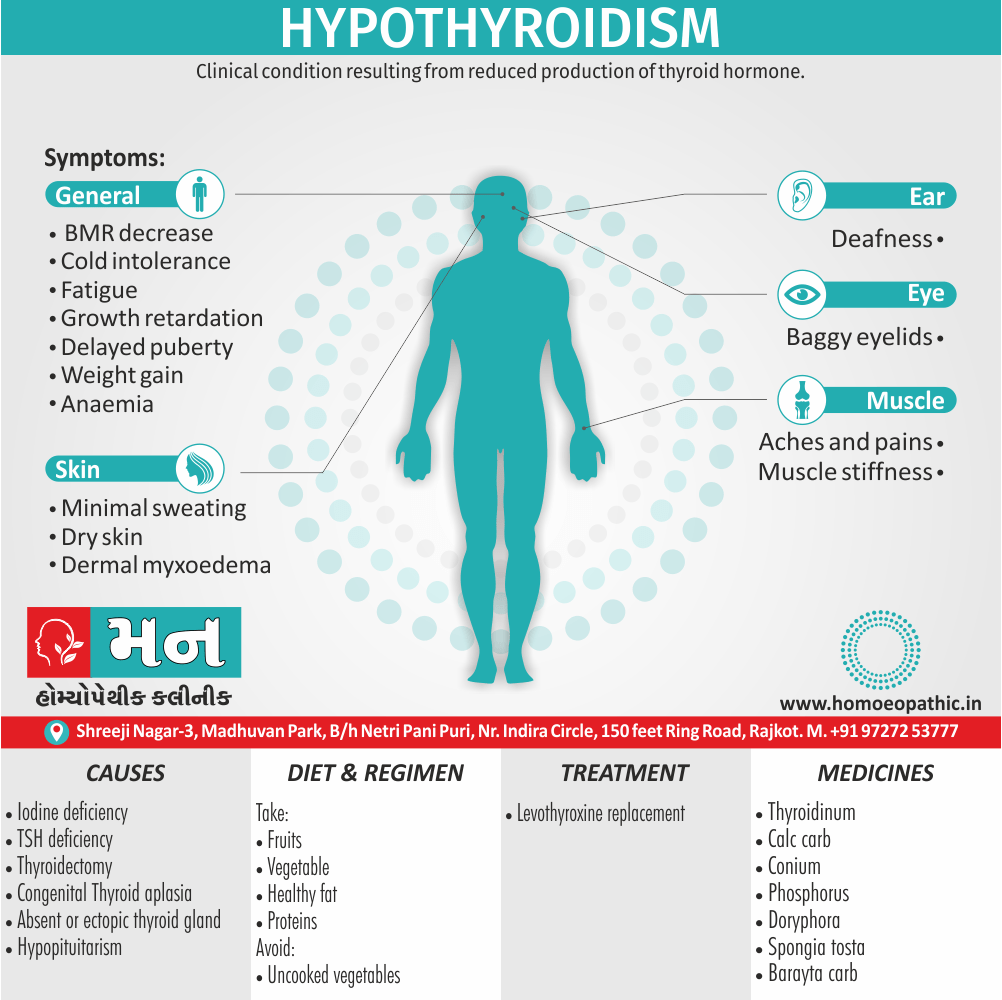
Sign and Symptoms of Hypothyroidism
Hypothyroidism sign and symptoms
Sign i.e.:
- Thyroid gland enlargement
- Weight gain
- Anaemia
- Carotenaemia
- Bradycardia Hypertension
- Delayed relaxation of reflexes
- Dermal myxoedema
- Facial features: for example Purplish lips,Malar flush, Periorbital Oedema, Baggy eyelids [1]
Symptoms i.e.:
- BMR decrease
- Cold intolerance Fatigue
- Feeling of drowsiness
- Dry skin Dry hair
- Menorrhagia
- Constipation
- Carpal tunnel syndrome
- Alopecia
- Aches also pains
- Muscle stiffness
- Deafness [2]
- Minimal sweating
- Growth retardation
- Delayed puberty. [1]
Clinical Examination
Clinical / Physical Examination For Hypothyroidism
- The clinical presentation depends on the duration and severity of the hypothyroidism.
- A consequence of prolonged hypothyroidism is the infiltration of many bodies’ tissues
- Compression of the median nerve at the wrist (e.g. carpal tunnel syndrome).
- Infiltration of the dermis gives rise to nonpitting Oedema (i.e. myxoedema), which is most marked in the skin of the hands, feet and eyelids
- Facial pallor due to vasoconstriction and anaemia
- A lemon-yellow tint to the skin caused by carotenaemia. [3]
Diagnosis
Diagnosis of Hypothyroidism
- Blood TSH and freeT4 level with symptoms present.
- Serum cholesterol is usually high in primary hypothyroidism but less so in secondary hypothyroidism.[4]
Differential Diagnosis
Differential Diagnosis of Hypothyroidism
- Thyroid carcinoma
- Anemia
- Obstructive sleep apnea
- Dementia
- Adrenal insufficiency
- Vitamine D deficiency
- Lyme disease [5]
Complications
Complications
Hypothyroidism, a condition characterized by an underactive thyroid gland, can lead to a variety of health issues if left untreated. This article delves into the potential complications of hypothyroidism, providing a comprehensive overview to raise awareness and emphasize the importance of early detection and proper management.
Complications of Hypothyroidism:
Goiter: An enlarged thyroid gland, known as a goiter, can develop due to the gland’s continuous effort to produce sufficient hormones. Goiters can cause difficulty swallowing or breathing in severe cases.
Heart Problems: Hypothyroidism can negatively impact heart health by increasing cholesterol levels and slowing heart rate. This can lead to an elevated risk of heart disease, heart failure, and other cardiovascular complications.
Peripheral Neuropathy: Untreated hypothyroidism can damage peripheral nerves, causing numbness, tingling, and pain in the extremities.
Infertility: Hypothyroidism can disrupt ovulation in women, leading to difficulties conceiving. It’s crucial for women experiencing infertility to have their thyroid hormone levels checked.
Mental Health Issues: Hypothyroidism can contribute to depression, anxiety, and cognitive impairment due to its effects on brain function and metabolism.
Myxedema Coma: In rare cases, severe hypothyroidism can progress to myxedema coma, a life-threatening condition characterized by decreased mental status, hypothermia, and respiratory depression. This requires immediate medical attention.
Conclusion:
Hypothyroidism complications can significantly impact an individual’s quality of life. Early diagnosis and appropriate treatment with thyroid hormone replacement therapy are crucial to prevent these complications and maintain overall well-being. If you suspect you may have hypothyroidism or are experiencing any related symptoms, consult a healthcare professional for proper evaluation and management.[10]
Investigations
Investigation of Hypothyroidism
- Thyroid function test
- Primary hypothyroidism: Low free T3 and T4 level, Elevated TSH level
- Secondary hypothyroidism: Low free T3 and T4 level, also decrease TSH level
- Electrocardiogram (in other words, ECG): Sinus bradycardia with low-voltage complexes also ST segment-wave abnormalities [2]
Treatment
Treatment of Hypothyroidism
L-Thyroxine, adjusted until TSH levels are in midnormal range
Levothyroxine replacement:
- To start with a low dose of 50 µg per day for 3 weeks
- Increasing thereafter to 100 µg per day for a further 3 weeks
- Finally, to a maintenance dose of 100–150 µg per day.
Prevention
Prevention of Hypothyroidism
Primary hypothyroidism, caused by autoimmune thyroiditis (Hashimoto’s thyroiditis) or iodine deficiency, cannot be entirely prevented as the exact causes are unknown. However, certain measures can be taken to reduce the risk and severity of hypothyroidism.
Dietary Measures:
- Ensure adequate iodine intake: Iodine is essential for thyroid hormone production. Include iodized salt and iodine-rich foods like seafood, dairy, and eggs in your diet. Consult a doctor before taking iodine supplements.
- Maintain a healthy diet: A balanced diet rich in fruits, vegetables, whole grains, and lean protein can support overall thyroid health.
- Avoid excessive consumption of goitrogens: Goitrogens are substances that can interfere with iodine utilization. Limit intake of raw cruciferous vegetables (like broccoli, cauliflower, cabbage) and soy products, especially if you have a family history of thyroid problems.
Lifestyle Modifications:
- Manage stress: Chronic stress can affect hormonal balance and thyroid function. Practice stress-reduction techniques like yoga, meditation, or mindfulness.
- Avoid smoking: Smoking can increase the risk of thyroid problems and interfere with treatment.
- Limit alcohol consumption: Excessive alcohol intake can negatively impact thyroid function.
Medical Checkups:
- Regular thyroid function tests: If you have risk factors for hypothyroidism, like a family history or autoimmune diseases, regular checkups and thyroid function tests can help detect any early signs of dysfunction.
- Prompt treatment of thyroid disorders: Early diagnosis and treatment of any thyroid condition can prevent it from progressing to hypothyroidism.
This textbook is a comprehensive resource for endocrinology and provides detailed information on the prevention, diagnosis, and management of thyroid disorders, including hypothyroidism. It covers various aspects of hypothyroidism, including risk factors, clinical presentation, and treatment options.[9]
Homeopathic Treatment
Homeopathic Treatment of Hypothyroidism
Homeopathy treats the person as a whole. It means that homeopathic treatment focuses on the patient as a person, as well as his pathological condition. The homeopathic medicines selected after a full individualizing examination and case-analysis.
which includes
- The medical history of the patient,
- Physical and mental constitution,
- Family history,
- Presenting symptoms,
- Underlying pathology,
- Possible causative factors etc.
A miasmatic tendency (predisposition/susceptibility) also often taken into account for the treatment of chronic conditions.
What Homoeopathic doctors do?
A homeopathy doctor tries to treat more than just the presenting symptoms. The focus is usually on what caused the disease condition? Why ‘this patient’ is sick ‘this way’?.
The disease diagnosis is important but in homeopathy, the cause of disease not just probed to the level of bacteria and viruses. Other factors like mental, emotional and physical stress that could predispose a person to illness also looked for. No a days, even modern medicine also considers a large number of diseases as psychosomatic. The correct homeopathy remedy tries to correct this disease predisposition.
The focus is not on curing the disease but to cure the person who is sick, to restore the health. If a disease pathology not very advanced, homeopathy remedies do give a hope for cure but even in incurable cases, the quality of life can greatly improved with homeopathic medicines.
Homeopathic Medicines for Hypothyroidism:
The homeopathic remedies (medicines) given below indicate the therapeutic affinity but this is not a complete and definite guide to the homeopathy treatment of this condition. The symptoms listed against each homeopathic remedy may not be directly related to this disease because in homeopathy general symptoms and constitutional indications also taken into account for selecting a remedy, potency and repetition of dose by Homeopathic doctor.
So, here we describe homeopathic medicine only for reference and education purpose. Do not take medicines without consulting registered homeopathic doctor (BHMS or M.D. Homeopath).
Medicines:
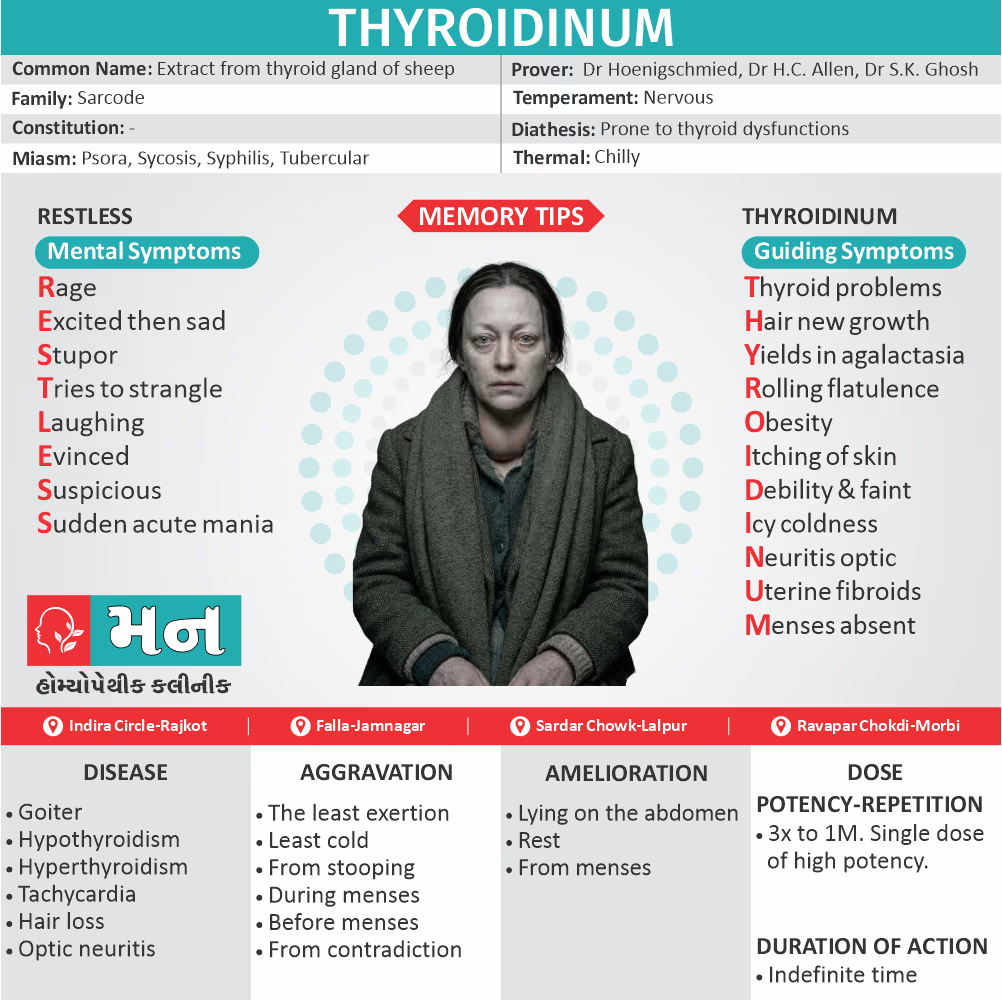
Thyroidinum:
- Generally; Thyroid produces anaemia, emaciation, muscular weakness, sweating, headache, nervous tremor of face also limbs, tingling sensations, paralysis.
- In myxoedema also cretinism its effects are striking.
- Moreover; thyroid exercises a general regulating influence over the mechanism of the organs of nutrition, growth and development.
- Excessive obesity.
- Marked sensitiveness to cold, hypothyroidism. Additionally; Easy fatigue, weak pulse, tendency to fainting, palpitation, cold hands and feet, low blood pressure, chilliness and sensitive to cold.
- Worse – especially least exertion, cold, stooping, On the other hand Better – lying on abdomen, or reclining position.[7]
Calc carb:
- Impaired nutrition being the keynote of its action, the glands, skin, also bones, being instrumental in the changes wrought. Basically, Pituitary and thyroid dysfunction. Goitre.
- Furthermore, Difficult swallowing.
- Submaxillary glands swollen. Besides this, Subjects take cold easily; children who grow fat, are large-bellied, with large head, pale skin.
- Averse to work or exertion.
- Headache with cold hands also feet. In detail Constipation; stool at first hard, then pasty, then liquid.[7]
- Worse – pressure specifically of cloths, change weather to cold, exertion, bathing, full moon; whereas Better – Dry climate also weather, After breakfast.[6]
Conium:
- Enlarged glands. Additionally, Engorges and indurates the glandular system, altering its structure like scrofulous and cancerous conditions.
- In brief; Frequent urge to pass stool; hard with tenesmus.
- Worse – from taking cold, either bodily or mental exertion On the other hand; Better – Letting affected part hang down. Stooping. Moving, walking. In the sun. Dark. Pressure. Walking bent. especially On sitting down. Fasting.
Doryphora:
- Hypothyroidism
- Red bloated face with protruding eyes.
- Throat raw and dry, burning.
- Loss of appetite, great thirst.
- Pain in spleen also bowels.
- Morning diarrhoea.
- Great trembling in extremities.
- Besides this; Swelling of body.
- Difficult micturition.
- Worse – warm room, smoking, eating also drinking [pain in bowels] but Better – open air.
Baryta carb:
- Specially indicated in infancy also old age.
- This remedy gives aid to scrofulous children, especially if they are backward mentally and physically, are dwarfish, do not grow and develop, have scrofulous ophthalmia, swollen abdomen, especially take cold easily.
- Always have swollen tonsils.
- Affects glandular structures, and useful in general degenerative changes. Besides this; Submaxillary glands and tonsils swollen.
- Difficulty swallowing; Constipation, with hard, knotty stools.
- Worse – food, On the other hand Better – liquids.
Spongia:
- Children with fair complexion, lax fibre; additionally swollen glands.
- Exhaustion and heaviness of the body after slight exertion.
- Anxiety also difficult breathing.
- Bursting headache.
- Thyroid gland swollen
- Sore throat
- worse – after eating sweet things, specifically on Exertion. Raising the arms. Before 12 p.m.
- Better -Lying with head low, either Eating or drinking, Warm things.
Phosphorus:
- Generally, Effects of iodine and excessive use of salt.
- Produces a picture of destructive metabolism.
- Phosphorus irritates, inflames also degenerates mucous membranes, irritates and inflames serous membranes, disorganises the blood, causing fatty degeneration of blood vessels also every tissue and organ of the body.
- Chronic congestion of the head.
- Brain fag. Additionally, Itching of the scalp, dandruff, falling out of hair in large bunches.
- In detail, Stools, long, hard, difficult to expel. Haemorrhoids.
- Great drowsiness, especially after meals.
- Worse – talking; touch Morning and evening, especially left side, cold On the other hand; Better – Eating, Sleep, Rubbing. [7]
Diet & Regimen
Diet & Regimen
For Hypothyroidism
Diet:
- Iodine: Essential for thyroid hormone production. Include iodized salt, seaweed, fish, and dairy.
- Selenium: Supports thyroid hormone conversion. Brazil nuts, tuna, and eggs are good sources. Zinc: Aids in thyroid hormone production. Find it in beef, pumpkin seeds, and chickpeas.
- Iron: Important for overall thyroid function. Include lean meats, spinach, and lentils.
- Tyrosine: An amino acid used to make thyroid hormone. Found in poultry, fish, and dairy.
Foods to Limit:
- Goitrogens: May interfere with iodine uptake in high amounts. This includes raw cruciferous vegetables like broccoli and cabbage (cooking reduces this effect).
- Gluten: May cause inflammation in some individuals with Hashimoto’s thyroiditis (an autoimmune cause of hypothyroidism).
Regimen:
- Medication: Levothyroxine is commonly prescribed to replace thyroid hormone. Consistent use and regular blood tests are crucial.
- Stress Management: Chronic stress can worsen hypothyroid symptoms. Incorporate relaxation techniques like yoga, meditation, or deep breathing.
- Exercise: Regular physical activity can boost energy levels and metabolism. Aim for at least 30 minutes of moderate-intensity exercise most days of the week.
- Sleep: Prioritize quality sleep as it plays a vital role in hormone regulation.
- Supplements: Talk to your doctor about potential vitamin deficiencies and whether supplements are necessary
Do’s and Don’ts
Do’s & Don’ts
Hypothyroidism do’s & don’ts
Do’s:
- Take your medication as prescribed: Consistency is key in managing hypothyroidism. Take your thyroid hormone replacement medication at the same time every day, preferably on an empty stomach.
- Get regular checkups: Monitor your thyroid hormone levels regularly as advised by your doctor. This helps to ensure that your medication dosage is appropriate.
- Eat a balanced diet: Focus on a healthy diet rich in fruits, vegetables, whole grains, and lean protein. Ensure adequate iodine intake through iodized salt and iodine-rich foods (if advised by your doctor).
- Do exercise regularly: Engage in moderate-intensity exercise most days of the week. Exercise can help boost metabolism and improve overall well-being.
- Manage stress: Practice stress-reduction techniques like yoga, meditation, or deep breathing exercises. Stress can worsen hypothyroid symptoms.
- Get enough sleep: Aim for 7-8 hours of sleep per night. Sleep deprivation can exacerbate fatigue and other symptoms.
- Do keep a symptom journal: Track your symptoms, energy levels, and any changes you notice. This information can be helpful for your doctor.
Don’ts:
- Not skip doses of your medication: Missing doses can disrupt your hormone levels and worsen symptoms.
- Avoid self-adjust your medication: Do not change your medication dosage without consulting your doctor.
- Don’t take calcium or iron supplements within 4 hours of your thyroid medication: These can interfere with the absorption of thyroid hormone.
- Don’t eat large amounts of goitrogenic foods: While a balanced diet is important, excessive consumption of goitrogens (found in cruciferous vegetables and soy products) may interfere with thyroid function, especially if you have an iodine deficiency.
- Avoid smoke: Smoking can worsen thyroid problems and interfere with treatment.
- Don’t ignore your symptoms: If you experience new or worsening symptoms, consult your doctor.
- Don’t self-diagnose or self-treat: Hypothyroidism requires proper medical diagnosis and treatment.
Terminology
Terminology
Hypothyroidism:
A condition where the thyroid gland doesn’t produce enough thyroid hormone.
Thyroid Gland:
A butterfly-shaped gland in the neck that produces hormones regulating metabolism.
Thyroid Hormones (T3 and T4):
Hormones produced by the thyroid gland that control metabolism, growth, and development.
Hashimoto’s Thyroiditis:
An autoimmune disorder, the most common cause of hypothyroidism, where the immune system attacks the thyroid gland.
Iodine Deficiency:
A lack of iodine, a mineral essential for thyroid hormone production, which can lead to hypothyroidism.
Goiter:
An enlargement of the thyroid gland, often a symptom of hypothyroidism.
Myxedema:
Severe hypothyroidism characterized by swelling of the skin and underlying tissues.
TSH (Thyroid-Stimulating Hormone):
A hormone produced by the pituitary gland that signals the thyroid gland to produce T3 and T4.
TPO Antibodies (Thyroid Peroxidase Antibodies):
Antibodies that attack the thyroid peroxidase enzyme, a marker for Hashimoto’s thyroiditis.
Levothyroxine:
A synthetic form of thyroxine (T4), commonly used to treat hypothyroidism.
Thyroid Hormone Replacement Therapy (THRT):
Treatment using synthetic thyroid hormone to replace what the body isn’t producing.
Subclinical Hypothyroidism:
A mild form of hypothyroidism with elevated TSH levels but normal T3 and T4 levels.
Thyroid Function Tests (TFTs):
Blood tests that measure TSH, T3, and T4 levels to assess thyroid function.
Thyroid Nodules:
Lumps or growths on the thyroid gland, usually benign but can sometimes be cancerous.
Homoeopathic Terminology
- Repertory: A reference book listing symptoms and the homeopathic remedies associated with them, helping practitioners select the most suitable remedy.
- Materia Medica: A comprehensive collection of descriptions of homeopathic remedies and their effects on the body, aiding in understanding the remedy’s potential uses.
- Constitutional Remedy: A remedy chosen based on the individual’s overall physical and mental characteristics, addressing the root cause of the imbalance rather than just the symptoms of hypothyroidism.
- Miasm: Inherited predispositions to certain diseases, considered in homeopathic treatment to understand the underlying susceptibility to hypothyroidism.
- Potency: The strength or dilution of a homeopathic remedy, indicated by a number (e.g., 6C, 30C).
- Aggravation: A temporary worsening of symptoms after taking a remedy, often seen as a positive sign of the body’s healing response.
- Proving: A process where healthy individuals take a remedy to record its effects, aiding in understanding its potential uses and symptom picture.
- Remedy Picture: The complete description of a remedy’s effects, including physical, mental, and emotional symptoms, guiding the practitioner in choosing the most appropriate remedy for hypothyroidism.
Specific remedies commonly mentioned in relation to hypothyroidism might include:
- Calcarea Carbonica: For individuals with slow metabolism, weight gain, and sensitivity to cold.
- Iodum: For individuals with hyperactivity, weight loss, and heat intolerance, often associated with Graves’ disease (an autoimmune condition causing hyperthyroidism).
- Graphites: For individuals with dry skin, constipation, and slow mental processes.
- Lycopodium: For individuals with digestive problems, low self-esteem, and fear of failure.
- Sepia: For individuals with hormonal imbalances, fatigue, and a feeling of indifference.
Remember, homeopathic treatment is individualized. The choice of remedy depends on a thorough assessment of the person’s overall health and specific symptoms of hypothyroidism. It’s essential to consult a qualified homeopathic practitioner for proper diagnosis and treatment.
References
References use for Article Hypothyroidism
- Golwala’s Medicine for student 25th edition 2017
- Davidsons Principles and Practice of Medicine (PDFDrive.com)
- Harrisons Principles of Internal Medicine
- The Merck Manual
- https://www.psychiatrictimes.com/view/hypothyroidism-important-diagnostic-consideration-psychiatrist
- Concise Materia Medica of Hom. Remedies By S.R. Phatak
- Homoeopathic Body-System Prescribing – A Practical Workbook of Sector Remedies.
- Prevalence of hypothyroidism in adults: An epidemiological study in eight cities of India. Indian J Endocrinol Metab. 2011 Sep;15(Suppl3):S158-62. doi: 10.4103/2230-8210.84882.
- Williams Textbook of Endocrinology,14th Edition, Shlomo Melmed, Kenneth S. Polonsky, P. Reed Larsen, Henry M. Kronenberg, 2020,Elsevier.
Harrison’s Principles of Internal Medicine, 21st Edition Authors: J. Larry Jameson, Anthony S. Fauci, Dennis L. Kasper, Stephen L. Hauser, Dan L. Longo, Joseph Loscalzo, (2022), Publisher: McGraw-Hill Education
Also Search As
Also Search As
Online Search Engines:
- Use keywords like “homeopathic remedies for hypothyroidism,” “homeopathy for underactive thyroid,” or “homeopathic treatment for Hashimoto’s.”
- Look for articles published on reputable homeopathic websites, blogs, or online journals.
- Check out websites of homeopathic organizations and practitioners, as they often provide information on remedies and their applications.
Homeopathic Databases:
- Search online databases specifically dedicated to homeopathy, such as the Homeopathic Library or the National Center for Homeopathy’s online library.
- Use these databases to find case studies, clinical trials, or research papers on the use of homeopathy for hypothyroidism.
Homeopathic Books and Journals:
- Consult homeopathic repertories and materia medica, which list remedies and their corresponding symptoms.
- Look for articles published in homeopathic journals, both in print and online versions.
Homeopathic Practitioners:
- Ask a qualified homeopathic practitioner for recommendations on relevant articles or studies.
- Many practitioners have their own websites or blogs where they share information on homeopathic remedies and their applications.
Social Media Groups and Forums:
- Join online homeopathic communities and forums where you can discuss your case and get recommendations for remedies and articles from other users and practitioners.
Additional Tips:
- Use specific search terms: Include the names of specific homeopathic remedies (e.g., Calcarea carbonica, Iodum) in your search queries.
- Check the date of publication: Ensure that the information you find is up-to-date and relevant.
- Evaluate the credibility of the source: Look for articles published in reputable journals or written by qualified homeopathic practitioners.
- Consult a homeopathic practitioner: If you have hypothyroidism, it’s crucial to seek professional guidance from a qualified homeopathic practitioner for individualized treatment.
By using these strategies, you can find valuable resources on homeopathic approaches to managing hypothyroidism.
Frequently Asked Questions (FAQ)
What is Hypothyroidism?
Clinical condition resulting from reduced production of thyroid hormone.
Can hypothyroidism be cured?
While there’s no cure for most cases, hypothyroidism can be effectively managed with medication and lifestyle changes, allowing individuals to lead normal lives.
How is hypothyroidism treated?
Treatment
The primary treatment is thyroid hormone replacement therapy, usually with levothyroxine.The dosage is adjusted based on individual needs and regular blood tests.
Give the types of Hypothyroidism?
- Primary Hypothyroidism
- Secondary Hypothyroidism
- Tertiary Hypothyroidism
How is hypothyroidism diagnosed?
Diagnosis
It involves a blood test to measure thyroid-stimulating hormone (TSH) and thyroxine (T4) levels. High TSH and low T4 levels indicate hypothyroidism.
What is the cause of Hypothyroidism?
- Iodine deficiency
- TSH deficiency
- Autoimmune
- Thyroidectomy
- Drugs- Carbimazole
- Methimazole
- Subacute thyroiditis
- Post-partum thyroiditis
- Congenital Thyroid aplasia
Can homeopathy cure hypothyroidism?
Homoeopathy For Hypothyroidism
While homeopathy cannot cure hypothyroidism in the conventional sense, it aims to address the root cause of the imbalance and stimulate the body’s natural healing processes to alleviate symptoms and improve overall well-being.
What are the symptoms of Hypothyroidism?
- Thyroid gland enlargement
- Weight gain
- Anaemia
- Carotenaemia
- Bradycardia Hypertension
- BMR decrease
- Cold intolerance Fatigue
- Feeling of drowsiness
- Dry skin Dry hair
Homeopathic Medicines used by Homeopathic Doctors in treatment of Hypothyroidism?
Homeopathic Medicines for Hypothyroidism
- Thyroidinum
- Calc carb
- Conium
- Doryphora
- Baryta carb
- Spongia
How long does it take to see results with homeopathic treatment for hypothyroidism?
The response to homeopathic treatment can vary depending on the individual and the severity of the condition. Some people may experience improvement in symptoms within a few weeks, while others may take longer. It is crucial to be patient and consistent with the treatment.
Can homeopathy help with weight gain associated with hypothyroidism?
Homeopathy may help regulate metabolism and improve overall health, which can indirectly support weight management in individuals with hypothyroidism. However, it is essential to combine homeopathic treatment with a healthy diet and exercise plan.
Clinical condition resulting from reduced production of thyroid hormone.
While there’s no cure for most cases, hypothyroidism can be effectively managed with medication and lifestyle changes, allowing individuals to lead normal lives.
Treatment
The primary treatment is thyroid hormone replacement therapy, usually with levothyroxine.The dosage is adjusted based on individual needs and regular blood tests.
- Primary Hypothyroidism
- Secondary Hypothyroidism
- Tertiary Hypothyroidism
Diagnosis
It involves a blood test to measure thyroid-stimulating hormone (TSH) and thyroxine (T4) levels. High TSH and low T4 levels indicate hypothyroidism.
- Iodine deficiency
- TSH deficiency
- Autoimmune
- Thyroidectomy
- Drugs- Carbimazole
- Methimazole
- Subacute thyroiditis
- Post-partum thyroiditis
- Congenital Thyroid aplasia
Homoeopathy For Hypothyroidism
While homeopathy cannot cure hypothyroidism in the conventional sense, it aims to address the root cause of the imbalance and stimulate the body’s natural healing processes to alleviate symptoms and improve overall well-being.
- Thyroid gland enlargement
- Weight gain
- Anaemia
- Carotenaemia
- Bradycardia Hypertension
- BMR decrease
- Cold intolerance Fatigue
- Feeling of drowsiness
- Dry skin Dry hair
Homeopathic Medicines for Hypothyroidism
- Thyroidinum
- Calc carb
- Conium
- Doryphora
- Baryta carb
- Spongia
The response to homeopathic treatment can vary depending on the individual and the severity of the condition. Some people may experience improvement in symptoms within a few weeks, while others may take longer. It is crucial to be patient and consistent with the treatment.
Homeopathy may help regulate metabolism and improve overall health, which can indirectly support weight management in individuals with hypothyroidism. However, it is essential to combine homeopathic treatment with a healthy diet and exercise plan.