Knee Pain
Definition
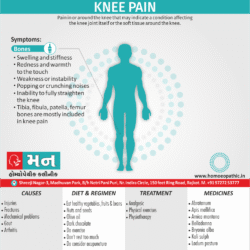
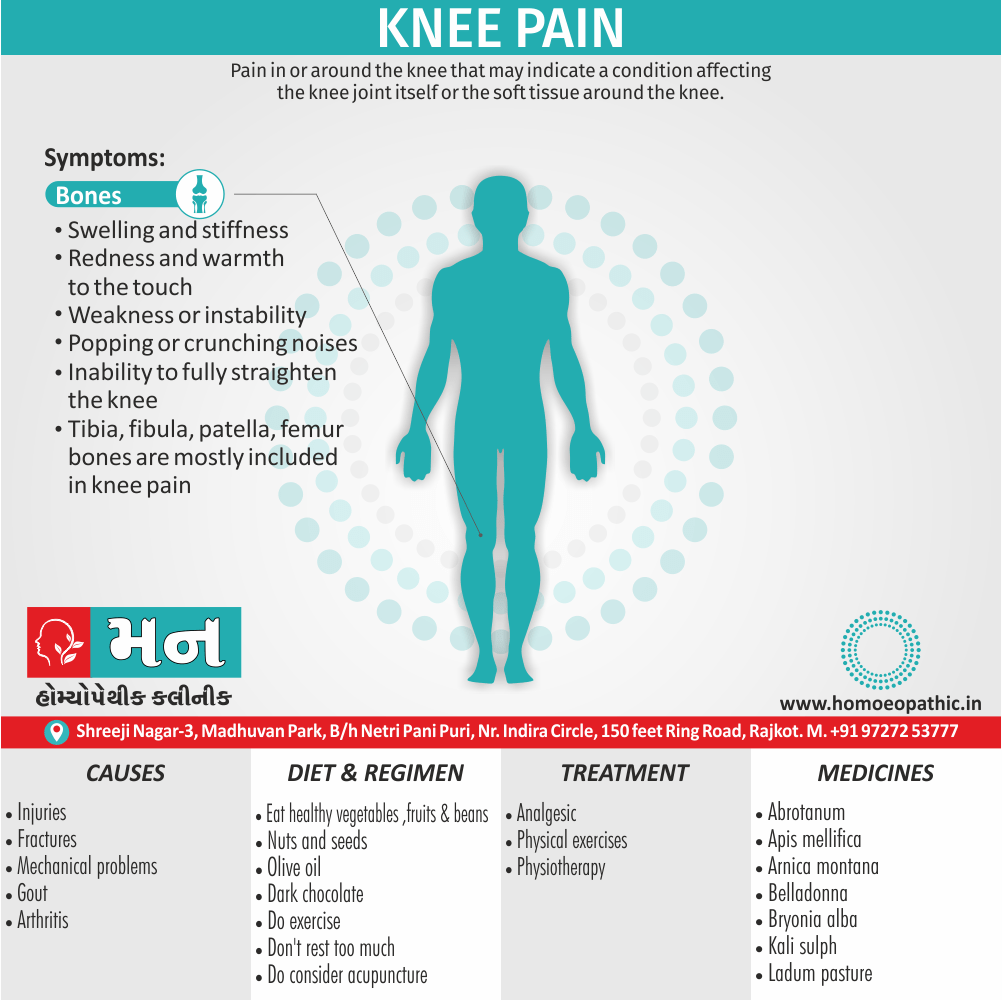
Pain in or around the knee that may indicate a condition affecting the knee joint itself or the soft tissue around the knee.[2]
Here’s a breakdown of knee pain synonyms focusing on specific details:
Location:
- Patellar pain: Pain behind the kneecap (often called “jumper’s knee”)
- Medial knee pain: Pain on the inner side of the knee (could be related to a ligament injury)
- Lateral knee pain: Pain on the outer side of the knee (often associated with IT band syndrome)
- Posterior knee pain: Pain in the back of the knee (could be a baker’s cyst or hamstring issue)
Nature of Pain:
- Sharp pain: This could indicate a sudden injury, like a torn meniscus or ligament sprain. Synonyms include “sting,” “stab,” or “twinge.”
- Dull ache: This might suggest chronic conditions like osteoarthritis or overuse. Synonyms include “throbbing,” “aching,” or “nagging.”
- Stiffness: Difficulty bending or straightening the knee, often worse in the morning or after sitting for long periods.
- Catching sensation: A feeling like your knee is locking or catching during movement, which could be a meniscus tear or loose cartilage fragment.
Intensity:
- Mild: Pain is noticeable but doesn’t significantly impact daily activities.
- Moderate: Pain disrupts daily activities but doesn’t completely prevent them.
- Severe: Pain is debilitating and makes walking or other movements difficult.
Additional details:
- Swelling: Feeling of puffiness or fullness around the knee joint.
- Instability: Feeling like your knee is weak or gives way easily.
- Popping or clicking sound: Might indicate a meniscus tear or loose cartilage fragment.
- Redness: This could be a sign of inflammation or infection.
Remember: These are just examples, and the best way to describe your knee pain is to be specific and mention any additional symptoms you experience. Consulting a doctor for a proper diagnosis is crucial for effective treatment.
Overview
Epidemiology
Causes
Types
Risk Factors
Pathogenesis
Pathophysiology
Clinical Features
Sign & Symptoms
Clinical Examination
Diagnosis
Differential Diagnosis
Complications
Investigations
Treatment
Prevention
Homeopathic Treatment
Diet & Regimen
Do’s and Don’ts
Terminology
References
Also Search As
Overview
Overview Of Knee Pain
The knee joint consists of an articulation between four bones i.e.:
- Firstly, Femur
- Secondly, Tibia
- Thirdly, Fibula
- Lastly, Patella
There are four compartments to the knee. These are the medial and lateral tibiofemoral compartments, the patellofemoral compartment and the superior tibiofibular joint. The components of each of these compartments can suffer from repetitive strain, injury or disease.
Knee pain may result from intraarticular (OA, RA) or periarticular (anserine bursitis, collateral ligament strain) processes or be referred from hip pathology. A careful history should delineate the chronology of the knee complaint and whether there are predisposing conditions, trauma, or medications that might underlie the complaint. [1]
Epidemiology
Epidemiology Of Knee Pain
Knee pain is a common musculoskeletal complaint in India, with varying prevalence rates across different studies and populations.
A community-based cross-sectional study published in 2016 (“Epidemiology of knee osteoarthritis in India and related factors”) found an overall prevalence of knee osteoarthritis (OA) of 28.7%. This study highlighted the increasing burden of knee OA in India and the need for further research to understand its risk factors and management strategies. [4]
Another study published in 2016 (“Ethnic differences in the prevalence of knee pain among adults of a community in a cross-sectional study”) found that the Indian population had the highest prevalence of knee pain (31.8%) compared to other ethnic groups. This study highlighted the importance of considering ethnic differences in the epidemiology of knee pain and the need for tailored interventions for specific populations. [5]
A 2023 study published in the International Journal of Health Sciences and Research (“Prevalence of the Knee Osteoarthritis Risk Factors Among Young Adult Population – An Observational Study”) reported that the prevalence of knee osteoarthritis in India ranges from 22% to 39%, emphasizing that it is a significant health concern affecting a large proportion of the population. [6]
Causes
Causes Of Knee Pain
Knee pain may result from intraarticular (OA, RA) or periarticular (anserine bursitis, collateral ligament strain) processes or be referred from hip pathology. A careful history should delineate the chronology of the knee complaint and whether there are predisposing conditions, trauma, or medications that might underlie the complaint.
For example, patellofemoral disease (e.g., OA) may cause anterior knee pain that worsens with climbing stairs. [1]
Knee pain can be caused by injuries, mechanical problems, types of arthritis and other problems.
Injuries
A knee injury can affect any of the ligaments, tendons or fluid-filled sacs (bursae) that surround your knee joint as well as the bones, cartilage and ligaments that form the joint itself. Some of the more common knee injuries include:
ACL injury
An ACL injury is a tear of the anterior cruciate ligament (ACL). An ACL injury is particularly common in people who play basketball, soccer or other sports that require sudden changes in direction. [2]
Fracture
The bones of the knee, including the kneecap (patella), can be broken during falls or auto accidents. Also, people whose bones have been weakened by osteoporosis can sometimes sustain a knee fracture simply by stepping wrong.
Torn meniscus
The meniscus is the tough, rubbery cartilage that acts as a shock absorber between your shinbone and thighbone. It can be torn if you suddenly twist your knee while bearing weight on it.
Knee bursitis
Some knee injuries cause inflammation in the bursae, the small sacs of fluid that cushion the outside of your knee joint so that tendons and ligaments glide smoothly over the joint.
Patellar tendinitis
Tendinitis causes irritation and inflammation of one or more tendons — the thick, fibrous tissues that attach muscles to bones. This inflammation can happen when there’s an injury to the patellar tendon, which runs from the kneecap (patella) to the shinbone and allows you to kick, run and jump. Runners, skiers, cyclists, and those involved in jumping sports and activities may develop patellar tendinitis.[2]
Mechanical problems
Some examples of mechanical problems that can cause knee pain include:
Loose body-
Sometimes injury or degeneration of bone or cartilage can cause a piece of bone or cartilage to break off and float in the joint space. This may not create any problems unless the loose body interferes with knee joint movement, in which case the effect is something like a pencil caught in a door hinge.
Iliotibial band syndrome-
This occurs when the tough band of tissue that extends from the outside of your hip to the outside of your knee (iliotibial band) becomes so tight that it rubs against the outer portion of your thighbone. Distance runners and cyclists are especially susceptible to iliotibial band syndrome.
Dislocated kneecap-
This occurs when the triangular bone that covers the front of your knee (patella) slips out of place, usually to the outside of your knee. In some cases, the kneecap may stay displaced and you’ll be able to see the dislocation.
Hip or foot pain-
If you have hip or foot pain, you may change the way you walk to spare your painful joint. But this altered gait can place more stress on your knee joint and cause knee pain.
Arthritis
The varieties most likely to affect the knee include:
- Sometimes called degenerative arthritis, osteoarthritis is the most common type of arthritis. It’s a wear-and-tear condition that occurs when the cartilage in your knee deteriorates with use and age.
Rheumatoid arthritis-
The most debilitating form of arthritis, rheumatoid arthritis is an autoimmune condition that can affect almost any joint in your body, including your knees. Although rheumatoid arthritis is a chronic disease, it tends to vary in severity and may even come and go.
- This type of arthritis occurs when uric acid crystals build up in the joint. While gout most commonly affects the big toe, it can also occur in the knee.
- Often mistaken for gout, pseudogout is caused by calcium-containing crystals that develop in the joint fluid. Knees are the most common joint affected by pseudogout.
Septic arthritis–
Sometimes your knee joint can become infected, leading to swelling, pain and redness. Septic arthritis often occurs with a fever, and there’s usually no trauma before the onset of pain. Septic arthritis can quickly cause extensive damage to the knee cartilage. If you have knee pain with any of the symptoms of septic arthritis, see your doctor right away.[2]
Other problems
Patellofemoral pain syndrome
Patellofemoral pain syndrome is a general term that refers to pain arising between the kneecap and the underlying thighbone. It’s common in athletes; in young adults, especially those whose kneecap doesn’t track properly in its groove; and in older adults, who usually develop the condition as a result of arthritis of the kneecap. [2]
Patellofemoral disease
Patellofemoral disease (e.g., OA) may cause anterior knee pain that worsens with climbing stairs. The knee should be carefully inspected in the upright (weight-bearing) and supine positions for swelling, erythema, malalignment, visible trauma, muscle wasting, and leg length discrepancy. The most common malalignment in the knee is genu varum (bowlegs) or genu valgum (knock-knees) resulting from asymmetric cartilage loss medially or laterally. [1]
Bony swelling of the knee joint
Bony swelling of the knee joint commonly results from hypertrophic osseous changes seen with disorders such as OA and neuropathic arthropathy. Swelling caused by hypertrophy of the synovial or synovial effusion may manifest as a fluctuant, ballotable, or soft tissue enlargement in the Bicipital tendon Humours Glenohumeral (shoulder) joint Subscapularis muscle suprapatellar pouch (suprapatellar reflection of the synovial cavity) or regions lateral and medial to the patella. [1]
Application of manual pressure lateral to the patella may cause an observable shift in synovial fluid (bulge) to the medial aspect. The examiner should note that this manoeuvre is only effective in detecting small to moderate effusions (<100 mL). Inflammatory disorders such as RA, gout, pseudogout, and psoriatic arthritis may involve the knee joint and produce significant pain, stiffness, swelling or warmth. Additionally, a popliteal or Baker’s cyst may be palpated with the knee partially flexed and is best viewed posteriorly with the patient standing and knees fully extended to visualize isolated or unilateral popliteal swelling or fullness. [1]
Types
Types Of Knee Pain
Acute Knee Pain:
- Ligament Injuries: Anterior cruciate ligament (ACL) tear, posterior cruciate ligament (PCL) tear, medial collateral ligament (MCL) tear, lateral collateral ligament (LCL) tear.
- Meniscus Tears: Medial meniscus tear, lateral meniscus tear.
- Fractures: Patellar fracture, tibial plateau fracture, femoral condyle fracture.
- Dislocations: Patellar dislocation, knee dislocation.
- Bursitis: Prepatellar bursitis, infrapatellar bursitis.
Chronic Knee Pain:
- Osteoarthritis: Degenerative joint disease leading to cartilage breakdown.
- Patellofemoral Pain Syndrome: Pain around the kneecap due to overuse or malalignment.
- Iliotibial Band Syndrome: Overuse injury causing pain on the outer side of the knee.
- Tendinitis: Inflammation of tendons around the knee, such as patellar tendinitis or quadriceps tendinitis.
- Plica Syndrome: Irritation of the synovial folds (plicae) in the knee.
Other Types of Knee Pain:
- Referred Pain: Pain felt in the knee but originating from other areas like the hip or spine.
- Inflammatory Arthritis: Rheumatoid arthritis, psoriatic arthritis, etc.
- Infections: Septic arthritis, osteomyelitis.
- Tumors: Benign or malignant growths affecting the knee joint. [7]
Risk Factors
Risk Factors Of Knee Pain
Age: The risk of knee pain and osteoarthritis increases with age, as the cartilage in the joint naturally wears down over time.
Gender: Women are more likely than men to develop knee pain/ osteoarthritis, especially after menopause.
Obesity: Excess weight puts additional stress on the knee joints, accelerating cartilage degeneration and increasing the risk of pain.
Genetics: Certain genetic factors may predispose individuals to developing knee osteoarthritis.
Previous Injury: A history of knee injuries, such as ligament tears or meniscus tears, can increase the risk of osteoarthritis later in life.
Occupation: Jobs that involve repetitive kneeling, squatting, or heavy lifting can put excessive strain on the knees, increasing the risk of pain and osteoarthritis.
Muscle Weakness: Weak thigh muscles can lead to instability in the knee joint, increasing the risk of injury and pain.
Joint Alignment: Misalignment of the knee joint, such as bowlegs or knock knees, can alter the distribution of forces in the joint, leading to increased wear and tear and pain. [8]
Pathogenesis
Pathogenesis of Knee Pain
Inflammatory Conditions:
- Rheumatoid Arthritis (RA): The pathogenesis of RA involves synovial inflammation, driven by autoimmune processes. Activated immune cells infiltrate the synovium, leading to the production of inflammatory cytokines and enzymes that degrade cartilage and bone.
- Psoriatic Arthritis (PsA): Similar to RA, PsA involves synovial inflammation, but with a distinct association with skin psoriasis. The pathogenesis is complex and likely involves both genetic and environmental factors.
- Crystal-Induced Arthritis: Gout and pseudogout are characterized by the deposition of crystals (monosodium urate or calcium pyrophosphate dihydrate) in the joint, triggering an intense inflammatory response through the activation of the innate immune system.
Degenerative Conditions:
- Osteoarthritis (OA): OA is a multifactorial disease with a complex pathogenesis. Key factors include cartilage degradation, subchondral bone remodeling, synovial inflammation, and altered joint biomechanics. Chondrocytes, the cells responsible for maintaining cartilage, become dysfunctional, leading to a loss of cartilage matrix and an imbalance between catabolic and anabolic processes.
Other Conditions:
- Infectious Arthritis: Pathogens, such as bacteria, viruses, or fungi, invade the joint space, triggering a robust inflammatory response that can damage cartilage and bone.
- Trauma: Direct injury to the knee joint can disrupt ligaments, tendons, menisci, or bone, leading to pain and inflammation.
- Overuse Injuries: Repetitive stress on the knee can cause microtrauma and inflammation of tendons, ligaments, or bursae, resulting in pain. [9]
Pathophysiology
Pathophysiology Of Knee Pain
Anserine bursitis is an often missed periarticular cause of knee pain in adults. [1]
Anserine bursitis is an 0ften missed periarticular cause of knee pain in adults. The pes anserine bursa underlies the insertion of the conjoined tendons (sartorius, gracilis, semitendinosus) on the anteromedial proximal tibia and may be painful following trauma, overuse, or inflammation. It is often tender in patients with fibromyalgia, obesity, and knee OA. Other forms of bursitis may also present as knee pain. The prepatellar bursa is superficial and is located over the inferior portion of the patella. The infrapatellar bursa is deeper and lies beneath the patellar ligament before its insertion on the tibial tubercle.
Internal derangement of the knee may result from trauma or degenerative processes. Damage to the meniscal cartilage (medial or lateral) frequently presents as chronic or intermittent knee pain.
Clinical Features
Clinical Features of Knee Pain
- Pain: This is the most common symptom and can range from mild to severe. The location, character, and intensity of pain can provide clues about the underlying cause.
- Swelling: Swelling around the knee joint is often present, especially in inflammatory or acute conditions.
- Stiffness: Limited range of motion and difficulty bending or straightening the knee can be a sign of arthritis or other conditions affecting joint mobility.
- Instability: A feeling of the knee giving way or buckling can indicate ligamentous injury or muscle weakness.
- Locking or Catching: These sensations can suggest meniscal tears or loose bodies within the joint.
- Crepitus: A grinding or popping sound or sensation during movement can be caused by cartilage damage or rough surfaces within the joint.
- Warmth and Redness: These signs often accompany inflammation and can be seen in conditions like arthritis or infection. [10]
Sign & Symptoms
Sign & Symptoms Of Knee Pain
- Swelling
- Visible trauma
- Medication
- Difficulty weight bearing or walking due to instability of the knee
- Unable to bend the knee
- Inability to extend the knee
Clinical Examination
Clinical Examination of Knee Pain
Inspection:
- Gait: Observe the patient’s walking pattern for signs of limping, stiffness, or instability.
- Alignment: Check for any malalignment like varus (bowlegs) or valgus (knock-knees) deformities.
- Swelling: Look for effusion (fluid accumulation) in the knee joint, as well as any redness or warmth, which may indicate inflammation.
- Muscle Atrophy: Assess for any wasting of the quadriceps muscles, which could suggest chronic disuse or nerve damage.
Palpation:
- Tenderness: Palpate for any areas of tenderness along the joint lines, bony prominences, or soft tissues around the knee.
- Effusion: Perform the “bulge sign” or “patellar tap” test to detect the presence of excess fluid within the joint.
- Warmth: Feel for increased temperature, a sign of inflammation.
Range of Motion (ROM):
- Active ROM: Ask the patient to actively flex and extend the knee, noting any limitations or pain.
- Passive ROM: Gently move the knee through its full range of motion, assessing for any crepitus (grating or crackling sound) or pain.
Special Tests:
- Ligament Stability Tests: Perform specific tests like the Lachman test, anterior drawer test, and pivot shift test to assess the integrity of the cruciate ligaments.
- Meniscus Tests: Conduct McMurray’s test or joint line tenderness palpation to evaluate for meniscal tears.
- Patellar Tracking: Observe patellar movement during knee flexion and extension to assess for patellofemoral pain syndrome.
Neurovascular Examination:
- Pulses: Palpate the dorsalis pedis and posterior tibial pulses to ensure adequate blood flow to the lower leg and foot.
- Sensation: Assess for any numbness or tingling in the lower leg, which could indicate nerve compression or injury. [11]
Diagnosis
Diagnosis Of Knee Pain
Physical examination
- Bending the knee in full range of motion [2]
- evaluating for any tenderness or swelling. [2]
- Synovial effusions may also be detected by balloting the patella downward toward the femoral groove or by eliciting a “bulge sign.” [1]
- A popliteal or Baker’s cyst may be palpated with the knee partially flexed and is best viewed posteriorly with the patient standing and knees fully extended to visualize isolated or unilateral popliteal swelling or fullness. [1]
Damage to the meniscal cartilage (medial or lateral) frequently presents as chronic or intermittent knee pain. [2]
Differential Diagnosis
Differential Diagnosis of Knee Pain
Anterior Knee Pain:
- Patellofemoral pain syndrome
- Patellar tendinitis
- Osgood-Schlatter disease (apophysitis of the tibial tubercle)
- Quadriceps tendinitis
- Bursitis (prepatellar, infrapatellar)
- Referred pain from the hip
Medial Knee Pain:
- Medial collateral ligament (MCL) injury
- Medial meniscus tear
- Pes anserine bursitis
- Medial plica syndrome
Lateral Knee Pain:
- Lateral collateral ligament (LCL) injury
- Lateral meniscus tear
- Iliotibial band (ITB) syndrome
- Popliteus tendinitis
Posterior Knee Pain:
- Posterior cruciate ligament (PCL) injury
- Popliteal cyst (Baker’s cyst)
- Gastrocnemius strain
- Hamstring tendinitis
Diffuse Knee Pain:
- Osteoarthritis
- Rheumatoid arthritis
- Inflammatory arthritis
- Referred pain from the lumbar spine [7]
Complications
Complications
- Progressive Joint Damage: Knee pain, especially in osteoarthritis, can lead to further deterioration of the cartilage and other joint structures if not addressed. This can result in increased pain, stiffness, and reduced mobility.
- Functional Impairment: As knee pain worsens, it can significantly limit a person’s ability to perform daily activities, such as walking, climbing stairs, or even standing for long periods.
- Muscle Weakness: Chronic knee pain can lead to disuse and weakening of the muscles surrounding the knee joint, further compromising joint stability and function.
- Gait Abnormalities: Pain and stiffness in the knee can alter a person’s walking pattern, leading to gait abnormalities that can increase the risk of falls and injuries.
- Psychological Distress: Persistent knee pain can negatively impact a person’s mental health, leading to depression, anxiety, and decreased quality of life.
- Increased Risk of Other Health Problems: Chronic knee pain has been linked to an increased risk of other health conditions, such as cardiovascular disease and obesity, due to reduced physical activity and increased sedentary behavior.
- Need for Surgery: In severe cases, when conservative measures fail to provide relief, knee replacement surgery may become necessary to restore joint function and alleviate pain. [8]
Investigations
Investigations
History taking
A careful history should delineate the chronology
Of the knee complaint and whether there are predisposing conditions, trauma, or medications that might underlie the complaint. [1]
With the knee extended, the examiner should manually compress, or “milk,” synovial fluid down from the suprapatellar pouch and lateral to the patellae. The application of manual pressure lateral to the patella may cause an observable shift in synovial fluid (bulge) to the medial aspect. [1]
The examiner should note that this maneuver is only effective in detecting small to moderate effusions (<100mL).
With the knee flexed 90° and the patient’s foot on the table, pain elicited during palpation over the joint line or when the knee is stressed laterally or medially may suggest a meniscal tear. [1]
McMurray test
A positive McMurray test may also indicate a meniscal tear. [1]
The examiner should manually attempt to displace the tibia anteriorly or posteriorly with respect to the femur. If anterior movement is detected, then anterior cruciate ligament damage is likely. Conversely, significant posterior movement may indicate posterior cruciate damage.
Contralateral comparison will assist the examiner in detecting significant anterior or posterior movement.
In some cases, Doctor might suggest tests such as,
- CT Scan
- MRI
- Ultrasound
- X-ray.
If your doctor suspects an infection or inflammation, you’re likely to have blood tests and sometimes a procedure called arthrocentesis, in which a small amount of fluid is removed from within your knee joint with a needle and sent to a laboratory for analysis. [2]
Treatment
Treatment
The main over-the-counter drugs are acetaminophen (Tylenol and other brands) and non-steroidal anti-inflammatory drugs (or NSAIDs), including aspirin (such as Bayer), ibuprofen (Advil, Motrin), and naproxen (Aleve). These can help with simple sprains or even arthritis. [2]
Knee exercises [2]
You can ride a stationary bike for about 5 minutes, take a brisk 2-minute walk while pumping your arms.
Knee-Friendly Cardio
Gentle is good. So skip high-impact activities such as running or intense aerobics. Notice what feels right for you. For example, some people love elliptical machines, but others don’t. Swimming, jogging in water, or water aerobics are often great! Double-check with your doctor about your exercise plan.
Prevention
Prevention
Maintaining a Healthy Weight: Excess weight places significant stress on the knee joints, increasing the risk of pain and osteoarthritis. Achieving and maintaining a healthy weight through diet and exercise can significantly reduce this risk.
Regular Exercise: Engaging in regular physical activity, particularly low-impact exercises like swimming, cycling, and walking, can help strengthen the muscles surrounding the knee, improving joint stability and reducing the risk of injury.
Proper Warm-up and Cool-down: Before any physical activity, it is crucial to warm up the muscles and joints through dynamic stretches and light cardio. Similarly, cooling down with static stretches after exercise can help prevent muscle soreness and stiffness.
Strength Training: Strengthening the quadriceps, hamstrings, and hip muscles can provide additional support to the knee joint, reducing the risk of pain and injury.
Proper Technique: Learning and practicing proper techniques for sports and exercises, especially those involving jumping or pivoting, can minimize stress on the knee and prevent injuries.
Appropriate Footwear: Wearing shoes that provide adequate support and cushioning can help absorb shock and reduce stress on the knees during activities.
Rest and Recovery: Allowing adequate rest and recovery time between workouts can prevent overuse injuries and give the body time to repair any minor damage.
Early Intervention: If knee pain develops, seeking prompt medical attention can help identify the cause and initiate appropriate treatment, preventing the condition from worsening. [12]
Homeopathic Treatment
Homoeopathic Treatment
Homeopathy treats the person as a whole. It means that homeopathic treatment focuses on the patient as a person, as well as his pathological condition. The homeopathic medicines selected after a full individualizing examination and case-analysis.
Which includes
- The medical history of the patient,
- Physical and mental constitution,
- Family history,
- Presenting symptoms,
- Underlying pathology,
- Possible causative factors etc.
A miasmatic tendency (predisposition/susceptibility) also often taken into account for the treatment of chronic conditions.
What Homoeopathic doctors do?
A homeopathy doctor tries to treat more than just the presenting symptoms. The focus is usually on what caused the disease condition? Why ‘this patient’ is sick ‘this way’?
The disease diagnosis is important but in homeopathy, the cause of disease not just probed to the level of bacteria and viruses. Other factors like mental, emotional and physical stress that could predispose a person to illness also looked for. Now a days, even modern medicine also considers a large number of diseases as psychosomatic. The correct homeopathy remedy tries to correct this disease predisposition.
The focus is not on curing the disease but to cure the person who is sick, to restore the health. If a disease pathology not very advanced, homeopathy remedies do give a hope for cure but even in incurable cases, the quality of life can greatly improve with homeopathic medicines.
Homeopathic Medicines:
The homeopathic remedies (medicines) given below indicate the therapeutic affinity but this is not a complete and definite guide to the homeopathy treatment of this condition. The symptoms listed against each homeopathic remedy may not be directly related to this disease because in homeopathy general symptoms and constitutional indications also taken into account for selecting a remedy, potency and repetition of dose by Homeopathic doctor.
So, here we describe homeopathic medicine only for reference and education purpose. Do not take medicines without consulting registered homeopathic doctor (BHMS or M.D. Homeopath).
Medicines:
Abrot-
- Joints stiff, swollen, with pricking sensation; wrists and ankle-joints painful also inflamed. When gout is suppressed and heart attacked. [3]
Arnica-
- Joints sore and tender;* constant fear specifically of being touched.
Ledum-
- Gout, whether acute or chronic: begins in lower limbs and ascends; pain and swelling proceed upwards and heart becomes affected. Pains worse from warmth on the other hand better from cold applications.
Apis-
- Oedema of affected parts; very tender to touch; additionally relief from cold water.
Bell-
- Erysipelatous redness also swelling of joints.
Bryon–
- Aggravation especially from slight motion and touch.[3]
Puls–
- Swelling and redness of joints; pains shift rapidly from one joint to another; better from pressure and moving the affected parts; as a rule, worse from heat and better from cold; whereas worse evenings.
Kali-s
- In brief, Pains shifting from one joint to another, leaving the first without pain.[3]
Diet & Regimen
Diet and regimen
Here’s our take on 10 foods that may help reduce pain and increase mobility in the joints:
- Omega-3 fatty acids/fish oils.
- Nuts and seeds.
- Brassica vegetables.
- Colourful fruits.
- Olive oil
- Lentils and beans.
- Garlic and root vegetables.
- Whole grains.
- Bone broth.
- Dark chocolate.
Follow these 11 dos and don’ts to help your knees feel their best:
Do exercise.
Cardio exercises strengthen the muscles that support your knee and increase flexibility. Weight trainingand stretchingdo, too. For cardio, some good choices include walking, swimming, water aerobics, stationary cycling, and elliptical machines. Tai chi may also help ease stiffness and improve balance.
Do use “RICE.”
Rest, ice, compression, and elevation (in other words, RICE) is good for knee pain caused by a minor injury or an arthritis flare. In detail, Give your knee some rest, apply ice to reduce swelling, wear a compressive bandage, and keep your knee elevated.
Do consider acupuncture.
This form of traditional Chinese medicine, which involves inserting fine needles at certain points on the body, is widely used to relieve many types of pain and may help knee pain.
Do get expert advice.
If your knee pain is new, get a doctor to check it out. It’s best to know what you’re dealing with ASAP so you can prevent any more damage.
Don’t rest too much.
Too much rest can weaken your muscles, which can worsen joint pain. Find an exercise program that is safe for your knees and stick with it.
Don’t risk a fall.
A painful or unstable knee can make a fall more likely, which can cause more knee damage. Curb your risk of falling by making sure your home is well lit, using handrails on staircases, and using a sturdy ladder or foot stool if you need to reach something from a high shelf.
Don’t overlook your weight.
If you’re higher-weight person, losing weight reduces the stress on your knee.
Don’t be shy about using a walking aid.
A crutch or cane can take the stress off of your knee.
Don’t jar your joint(s).
High-impact exercises can further injure painful knees. Avoid jarring exercises such as running, jumping, and kickboxing. Also avoid doing exercises such as lunges and deep squats that put a lot of stress on your knees. [2]
Do’s and Don’ts
The Do’s & Don’ts
Do’s:
- Rest: Give your knee adequate rest, especially after strenuous activity or when experiencing pain. Avoid activities that exacerbate the pain.
- Ice: Apply ice packs to the affected area for 15-20 minutes at a time, several times a day, to reduce inflammation and pain.
- Compression: Use a compression bandage or sleeve to support the knee and reduce swelling.
- Elevation: Elevate your knee above heart level while resting to help reduce swelling.
- Physical Therapy: Consult a physical therapist for personalized exercises and stretches to strengthen the muscles around the knee and improve flexibility.
- Pain Medication: Take over-the-counter pain relievers like ibuprofen or naproxen to manage pain and inflammation. Consult a doctor if pain persists.
- Weight Management: Maintain a healthy weight to reduce stress on the knee joints.
- Low-Impact Activities: Choose low-impact activities like swimming, cycling, or walking to maintain fitness without putting excessive strain on the knee.
- Supportive Footwear: Wear shoes with good arch support and cushioning to absorb shock and reduce stress on the knees.
- Warm-up and Cool-down: Always warm up before exercise and cool down afterwards to prepare the muscles and joints for activity and prevent injury.
Don’ts:
- Ignore Pain: Don’t ignore persistent or worsening knee pain. Seek medical attention to determine the cause and get appropriate treatment.
- Overexertion: Avoid activities that cause or worsen knee pain. Don’t push yourself too hard during exercise or physical activity.
- High-Impact Activities: Avoid high-impact activities like running, jumping, or contact sports, especially if you have existing knee pain.
- Sudden Changes in Activity: Don’t suddenly increase or decrease your activity levels. Gradually increase intensity and duration to allow your body to adapt.
- Neglecting Warm-up/Cool-down: Don’t skip warm-up or cool-down routines before and after exercise.
- Incorrect Technique: Use proper technique during exercise and daily activities to avoid putting unnecessary stress on the knees.
- Wearing High Heels: Avoid wearing high heels frequently, as they can alter knee alignment and increase pressure on the joints.
- Sitting or Standing for Too Long: Prolonged periods of sitting or standing can put stress on the knees. Take breaks and move around regularly.
- Delaying Treatment: Don’t delay seeking professional help if knee pain persists or worsens. Early intervention can prevent further damage and improve outcomes.
Terminology
Terminology
Anatomical Terms:
- Femur: The thigh bone, which forms the upper part of the knee joint.
- Tibia: The shin bone, which forms the lower part of the knee joint.
- Patella: The kneecap, a small bone that protects the front of the knee joint.
- Meniscus: C-shaped pieces of cartilage that act as shock absorbers between the femur and tibia.
- Ligaments: Strong bands of tissue that connect bones and provide stability to the joint (e.g., ACL, PCL, MCL, LCL).
- Tendons: Fibrous cords that attach muscles to bones and enable movement (e.g., patellar tendon, quadriceps tendon).
- Bursae: Small fluid-filled sacs that cushion and reduce friction between bones, tendons, and muscles.
Pathological Terms:
- Osteoarthritis: A degenerative joint disease characterized by the breakdown of cartilage, leading to pain, stiffness, and reduced mobility.
- Rheumatoid Arthritis: An autoimmune disease causing chronic inflammation of the joints, including the knee.
- Meniscus Tear: A tear in the cartilage cushion of the knee, often caused by twisting or pivoting movements.
- Ligament Sprain/Tear: Stretching or tearing of ligaments, resulting in pain, instability, and swelling.
- Bursitis: Inflammation of the bursae, causing pain and tenderness.
- Tendonitis: Inflammation of a tendon, often due to overuse or repetitive stress.
Other Relevant Terms:
- Effusion: Accumulation of fluid within the knee joint, often a sign of inflammation or injury.
- Crepitus: A grinding or popping sound or sensation in the knee during movement, often indicative of cartilage damage.
- Locking: The inability to fully straighten or bend the knee due to a mechanical obstruction within the joint.
- Instability: A feeling of the knee giving way or buckling due to ligamentous laxity or muscle weakness.
Remedies:
- Arnica: Commonly used for acute knee pain, especially after injuries or overexertion.
- Rhus Tox: Indicated for pain that is worse on initial movement but improves with continued motion, often accompanied by stiffness.
- Bryonia: Helpful for pain that is worse with movement and better with rest, along with swelling and heat in the knee.
- Ruta Graveolens: Often used for pain in the tendons and ligaments around the knee, especially after overuse or strain.
- Ledum Palustre: Indicated for pain that is better with cold applications and worse with warmth, often associated with puncture wounds or insect bites.
References
References
- Herrisons_principles_of_internal_medicine_19th_edition_2_volume_set
- https://www.mayoclinic.org/diseases-conditions/knee-pain/symptoms-causes/syc-20350849
- Homoeopathic Body-System Prescribing – A Practical Workbook of Sector Remedies
- Epidemiology of knee osteoarthritis in India and related factors
- Ethnic differences in the prevalence of knee pain among adults of a community in a cross-sectional study
- Prevalence of the Knee Osteoarthritis Risk Factors Among Young Adult Population – An Observational Study
- DeLee & Drez’s Orthopaedic Sports Medicine (5th Edition) Mark D. Miller, Stephen R. Thompson (2021, Elsevier)
- Osteoarthritis of the Knee 5th Edition, by David J. Hunter, Marc C. Hochberg in 2020 by Springer
- Kelley’s Textbook of Rheumatology by Gary S. Firestein, Ralph C. Budd, Sherine E. Gabriel, Iain B. McInnes, James R. O’Dell (11th Edition, 2021, Elsevier)
- Campbell’s Operative Orthopaedics by S. Terry Canale, James H. Beaty (14th Edition, 2021, Elsevier)
- Essentials of Physical Medicine and Rehabilitation: Musculoskeletal Disorders, Pain, and Rehabilitation by Walter R. Frontera, Julie K. Silver, Thomas D. Rizzo Jr. (4th Edition, 2015, Elsevier)
- Netter’s Sports Medicine by Christopher C. Madden, Michael Fredericson, Stephen J. Nicholas ( 2nd Edition, 2018, Elsevier)
Also Search As
Also Search As
Online Databases:
- Homeopathic Library (hpathy.com): This website contains a vast collection of articles, cases, and materia medica related to homeopathy. Use the search bar with keywords like “joint pain,” “arthritis,” or specific remedies.
- National Center for Homeopathy (NCH): This organization offers a resource library with articles and research on homeopathy. Check their website or contact them directly for information on joint pain.
Academic Journals:
- The American Journal of Homeopathic Medicine: This peer-reviewed journal publishes research articles and case studies on homeopathic treatment.
- Homeopathy: Another peer-reviewed journal dedicated to homeopathic research and clinical practice.
- Explore Google Scholar: Search for articles in these and other relevant journals using keywords like “homeopathy” and “joint pain.”
Books:
- Homeopathic Materia Medica: These books detail the symptom profiles of various remedies. Look for sections on musculoskeletal conditions or specific remedies known for joint pain (e.g., Rhus Tox, Bryonia).
- Homeopathic Repertories: These reference books list symptoms and the associated remedies, helping homeopaths find the most suitable treatment.
- Homeopathic Materia Medica: These books detail the symptom profiles of various remedies. Look for sections on musculoskeletal conditions or specific remedies known for joint pain (e.g., Rhus Tox, Bryonia).
Websites and Blogs:
- Reputable Homeopathic Organizations: Many organizations like the NCH or the Council for Homeopathic Certification (CHC) have websites with resources and articles on homeopathic treatment.
- Homeopathic Practitioner Websites: Many homeopaths maintain blogs or websites with informative articles on various health conditions, including joint pain.
Libraries:
- Local or University Libraries: Check the health or alternative medicine sections for books on homeopathy and joint pain.
There are numerous ways to search for information on knee pain, catering to different needs and preferences:
Online Search Engines:
Medical Websites:
- Mayo Clinic, WebMD, Healthline: These websites offer comprehensive information on knee pain, including causes, symptoms, treatment options, and preventive measures.
- Orthopaedic Associations (AAOS, IOA): Websites of professional organizations often have patient education resources on knee conditions and treatments.
Image Search:
- Google Images, Pinterest: Search for images or diagrams of the knee anatomy, specific injuries, or treatment techniques to visualize the problem better.
Video Platforms:
- YouTube: Search for videos on knee pain exercises, physical therapy techniques, or expert explanations of various knee conditions.
Medical Literature:
- PubMed, Google Scholar: These databases allow you to access scientific articles and research studies on knee pain, providing more in-depth and specialized information.
Frequently Asked Questions (FAQ)
What is Knee Pain?
Definition
Pain in or around the knee that may indicate a condition affecting the knee joint itself or the soft tissue around the knee.
What causes Knee Pain?
Cause
- Anterior cruciate ligament injury
- Fracture
- Knee bursitis
- Patellar tendinitis
- Loose body
- Iliotibial band syndrome
- Hip or foot pain
- Arthritis
Can knee pain be prevented?
Yes, you can reduce the risk of knee pain by maintaining a healthy weight, strengthening the muscles around the knee, wearing supportive footwear, and using proper technique during physical activities.
How is knee pain diagnosed?
Diagnosis involves a physical examination, medical history review, and imaging tests like X-rays or MRI scans to assess the extent of damage and identify the underlying cause.
What are the symptoms of Knee Pain?
Symptoms
- Swelling
- Visible trauma
- Medication
- Difficulty weight bearing or walking
- Unable to bend the knee
- Inability to extend the knee
Can homeopathy effectively treat knee pain?
Yes, homeopathy offers various remedies for knee pain relief, addressing the underlying cause and individual symptoms.
Is homeopathic treatment for knee pain safe?
Yes, homeopathic remedies are generally safe and have minimal side effects when prescribed by a qualified practitioner.
Which homeopathic remedies are commonly used for knee pain?
Common remedies include Arnica (for injuries), Rhus Tox (for pain worse on initial movement), Bryonia (for pain worse with movement), and Ruta (for ligament or tendon pain).
How long does it take to see results from homeopathic treatment for knee pain?
The response time varies depending on the individual and the underlying cause. Some may experience quick relief, while others may require a longer course of treatment.
Homeopathic Medicines used by Homeopathic Doctors in treatment of Knee Pain?
Homeopathic Medicines for Knee Pain
- Abrotanum
- Arnica
- Ledum
- Apis
- Belladonna
- Bryon
- Pulsatilla
- Kali sulph
Definition
Pain in or around the knee that may indicate a condition affecting the knee joint itself or the soft tissue around the knee.
Cause
- Anterior cruciate ligament injury
- Fracture
- Knee bursitis
- Patellar tendinitis
- Loose body
- Iliotibial band syndrome
- Hip or foot pain
- Arthritis
Yes, you can reduce the risk of knee pain by maintaining a healthy weight, strengthening the muscles around the knee, wearing supportive footwear, and using proper technique during physical activities.
Diagnosis involves a physical examination, medical history review, and imaging tests like X-rays or MRI scans to assess the extent of damage and identify the underlying cause.
Symptoms
- Swelling
- Visible trauma
- Medication
- Difficulty weight bearing or walking
- Unable to bend the knee
- Inability to extend the knee
Yes, homeopathy offers various remedies for knee pain relief, addressing the underlying cause and individual symptoms.
Yes, homeopathic remedies are generally safe and have minimal side effects when prescribed by a qualified practitioner.
Common remedies include Arnica (for injuries), Rhus Tox (for pain worse on initial movement), Bryonia (for pain worse with movement), and Ruta (for ligament or tendon pain).
The response time varies depending on the individual and the underlying cause. Some may experience quick relief, while others may require a longer course of treatment.
Homeopathic Medicines for Knee Pain
- Abrotanum
- Arnica
- Ledum
- Apis
- Belladonna
- Bryon
- Pulsatilla
- Kali sulph